Jun 28 2009

Santa Ana Mountains

I took a drive up Silverado Canyon deep into the Santa Ana Mountains early this morning. I heard recent reports of Olive-sided Flycatchers nesting around Maple Spring and thought it was a worthwhile shot to try and get photos of adults and possibly recently fledged young. It was also a chance to explore the Santa Ana Mountains (which I had not spent much time in since high school – when I used to mountain bike much more).

View from Santiago Peak

To give you a little info and background, the Santa Ana Mountain range extends about 35 miles from north to south and separates Orange County from the Inland Empire of Southern California. The highest point is Santiago Peak at 5,687′ above sea level.

Radio Towers
Radio Towers

At the time of the first Spanish exploration, the Santa Anas were settled by three main groups of indigenous peoples, the Tongva in the north, and the Acjachemen and Payomkowishum in the south. The mountains are also the site of a famed Indian massacre in 1831 in Black Star Canyon.

Harding Truck Trail
Harding Truck Trail

Yucca Cactus
Yucca Cactus

As part of the California Floristic Province, the Santa Ana Mountains host a diverse array of plant species within distinctive natural (plant) communities, including Coastal Sage Scrub, Chaparral, Riparian Woodland, Southern Oak Woodland, Rocky Outcrop, Vernal Pool, Valley Grassland, and Montane Coniferous Forest. One of the southernmost stands of Madrones can be found in Trabuco Canyon.

Coulter Pines
Coulter Pines

Groves of Knobcone Pine can be found around Pleasants Peak. Big-cone Douglas Fir and Coulter Pine can be found at the higher elevations. Rare flowers like the Intermediate Mariposa Lily, Heart-leaved Pitcher Sage (associated with the Tecate Cypress), and Chocolate Lily are difficult to find, but breathtaking to observe. Fragrant sages, evergreen shrubs and trees, perennial bunchgrasses, strange succulents, and fire-following flowers adorn the rugged terrain.

Looking Toward Orange County

A surprising variety of wildlife species can be found, including Mountain Lion, Mule Deer, Bobcat, Coyote, Gray Fox, Badger, Ringtail, Spotted Skunk, Western Gray Squirrel, Woodrat, Kangaroo Rat, Bats, Spotted Owl, Western Pond Turtle, Southern Steelhead Trout, Coast Horned Lizard, Least Bell’s Vireo, Golden Eagle, Mountain Quail, Canyon Wren, Speckled Rattlesnake, Arroyo Toad, Western Spadefoot Toad, California Treefrog, California Sister Butterfly, Tarantula, and many more.

The last wild grizzly bear in the Santa Ana Mountains was shot and killed in the mountains in 1908. Gray Wolf, Pronghorn Antelope, and California Condor also occurred
in the range at that time.

Western Bluebird
Western Bluebird (juv.)

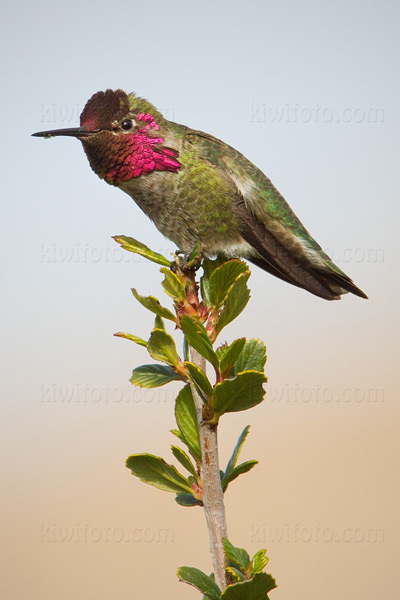
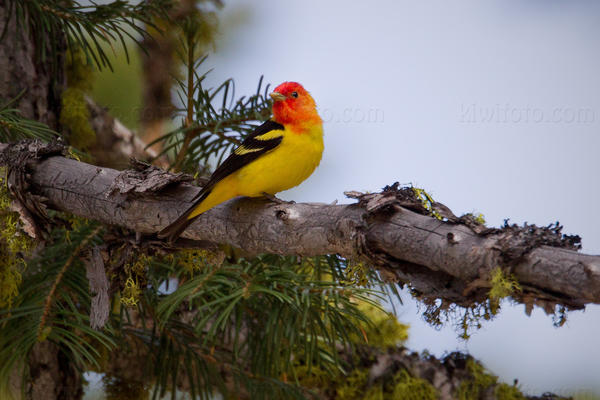
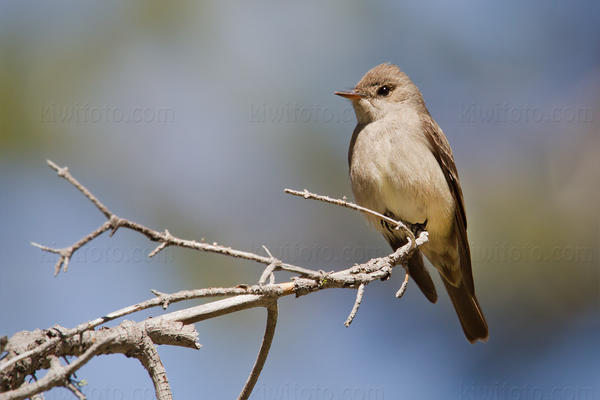
Although I didn’t encounter much of the native species this morning I did see lots of young birds including young Black-headed Grosbeak, Western Bluebird, Black-chinned Hummingbird, Ash-throated Flycatcher and quite a few Purple Finches. Other birds encountered included Western Tanager, Bewick’s/House Wrens, Mountain Chickadee, White-breasted Nuthatch, Hairy/Acorn Woodpecker, Band-tailed Pigeon, Anna’s/Allen’s Hummingbird, Spotted/California Towhee, Wrentit, Dark-eyed Junco, Lesser Goldfinch, California Thrasher, Western Wood-Pewee and many Western Scrub-Jays.

Purple Finch
Purple Finch

Black-headed Grosbeak

Black-chinned Hummingbird
Black-chinned Hummingbird (juv.)

It was a beautiful day up in one of the LA basin’s lesser traveled ranges… I managed to create a very dusty car at the end of it all too!

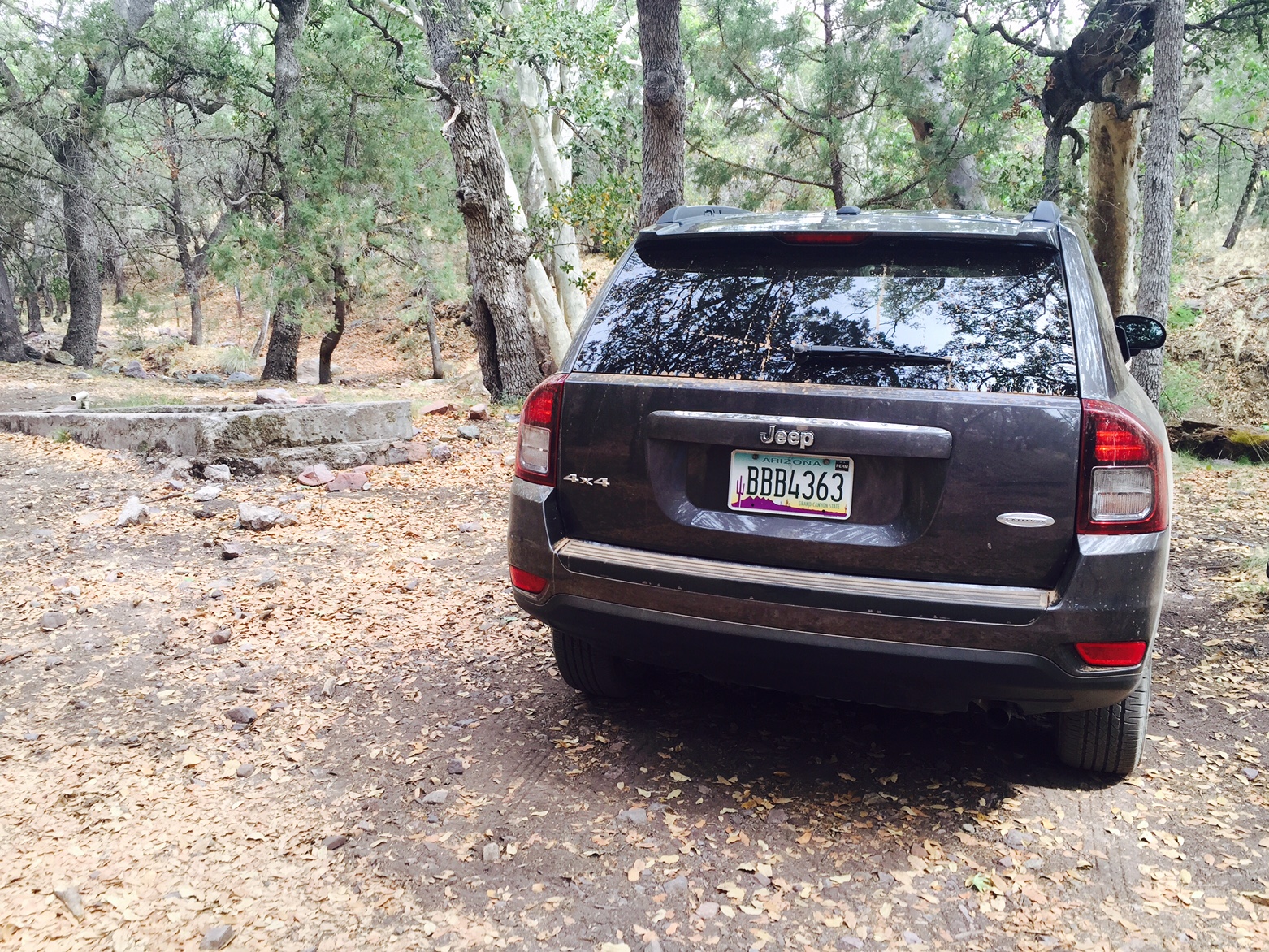
My Dirty Car
My Dirty Car

View the complete Google Earth GPS route by clicking the image below:


Google Earth Map


Jun 22 2009

Little Tujunga Canyon

Tujunga Canyon
Tujunga Canyon

Took a drive up Little Tujunga Canyon last friday afternoon to try and get photos of Black-chinned Sparrows that nest in the foothills of the San Gabriel Mountains. This small passerine bird is generally found in chaparral, sagebrush, arid scrublands, and brushy hillsides, breeding in the Southwestern United States (western Texas to southern California), and migrating in winter to north-central Mexico and Baja California Sur. There is also a non-migratory population in central Mexico.


Range Map

As soon as we stepped out of the car we heard their distinctive call and it didn’t take long to spot one singing atop a Yucca plant. We were not just treated to one but at least two pairs feeding recently fledged young. At first we weren’t sure what we were hearing until we realized the squeaking sound was coming from the young birds begging their parents for food.

Black-chinned Sparrow

Black-chinned Sparrow

Black-chinned Sparrow
Black-chinned Sparrow (fledgling)

Click for Black-chinned Sparrow audio.

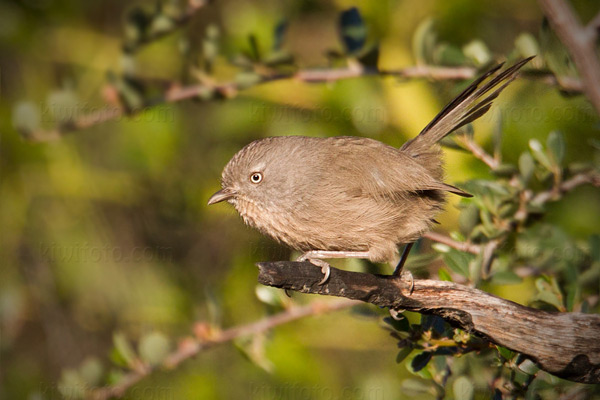
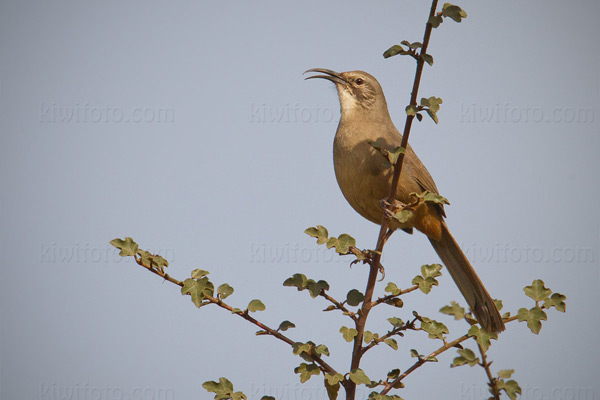
Other birds we heard/observed in the canyon included Green-tailed Towhee, Lawrence’s Goldfinch, Phainopepla, California Thrasher and Wrentit:

Wrentit
Wrentit

Where we were:


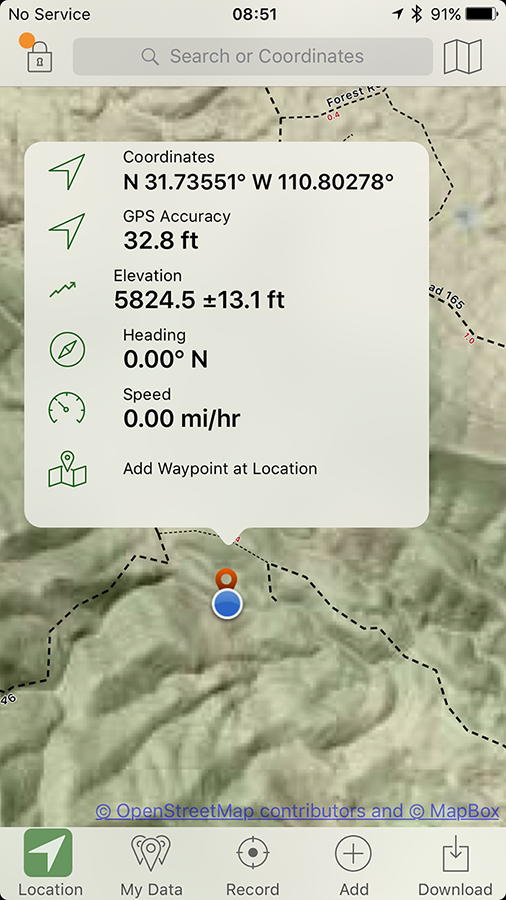
GPS Location (2,728′ Elevation)

Some other shots from the plants and surrounding foothills:


Bush Lupine
Bush Lupine

Poison Oak
Poison Oak

Sticky Monkey Flower

Sticky Monkey Flower


Jun 16 2009

Michigan – Lower Peninsula

I got into Detroit around 4PM last Friday and immediately embarked on my 3.5 hour drive up to Grayling, MI in the Northern part of Michigan’s Lower Peninsula. Since the sun doesn’t set until well after 9PM at these latitudes I decided to check out some known nesting locations for Kirtland’s Warbler around Mio. I didn’t have much luck but I did get some nice photos of Common Nighthawks flying around.

Common Nighthawk
Common Nighthawk

Saturday morning I took the Kirtland’s Warbler tour out of Grayling (offered by the US Fish and Wildlife Service). You can read more about the Kirtland’s Warbler tour here.

Kirtland's Warbler
Kirtland’s Warbler

Since it was still relatively early in the day when the tour ended I decided to check out some spots for Upland Sandpiper and other nesting specialties in
Michigan’s Lower Peninsula. I never did locate any Uplands but had a nice adult Bald Eagle fly over me as I was driving down the highway. I also found a Brown Thrasher that was presumably bringing food to recently hatched chicks.

Bald Eagle
Bald Eagle

Brown Thrasher
Brown Thrasher

I encountered a few other areas that were designated as Kirtland’s Warbler nesting locations but I never heard or saw any. Being mid-day probably contributed to lack of any noticeable activity. Between the abundance of Jack Pine stands were large parcels cleared for local oil drilling. These areas supposedly had nesting Upland Sandpipers but I never did find any.


Oil Rig


Kirtland’s Warbler Jack Pine Habitat

I decided to throw in the towel on the Upland Sandpiper for the time being and head over to Rifle Recreation Area which was just East of Rose City. The area was primarily a migrant hotspot but they claimed to have nesting Olive-sided Flycatchers. I’ve been trying to get better photos of them for a while with no luck and today was no different. The park did offer some great scenery though.


Rifle Recreation Area

I took a quick nap in the car because I was working off a few hours sleep over the past few days – not going to bed until close to midnight and waking up (essentially) 2AM Pacific Time catches up with you. I decided one last futile attempt for Upland Sandpiper by checking out areas of Amish farmland north of Mio. It was pretty overcast and drizzled off and on but that didn’t matter much since I never found any Uplands. I did encounter a few displaying male Bobolinks along the sides of the roads.


Amish Horse Carriage

That afternoon I met up with some friends from Houston, TX. They had spent the past few days in the UP (Upper Peninsula) and had spectacular luck in finding Connecticut Warbler, Black-backed Woodpecker, Ruffed and Spruce Grouse and many other great birds. I just wish I was able to fly up mid-week to bird with them up there!

Since I didn’t get to meet up with them until late afternoon I decided to take them back to the Kirtland’s Warbler spot where I had photographed the male earlier that day. For the most part the weather was sunny and I was able to get a few more nice shots before the storm clouds started rolling in close to dusk.

On Sunday, we decided to work our way back down the “coast” toward Detroit since my flight was at 7:30PM that evening. Checked a few local hotspots for nesting Black Terns, Yellow Rails and Sedge Wrens. Unfortunately we started a bit late so we never heard any Yellow Rails calling. We did find nesting Swamp Sparrows and lots of calling Sedge Wrens (that didn’t seem to want to come out of the reeds).

Trumpeter Swan
Trumpeter Swan

Sandhill Crane
Sandhill Crane

Swamp Sparrow
Swamp Sparrow

We also checked a local hotspot for nesting Northern Goshawk, Yellow-throated Vireos, Red-headed Woodpeckers and many other Eastern passerines. We heard many Red-headed Woodpeckers calling in the area but never saw any. An over abundance of Red-eyed Vireos, Warbling Vireos and a single Yellow-throated Vireo. A Scarlet Tanager was also calling in full song nearby. We even spooked a Badger that was foraging in the leaves.

Scarlet Tanager
Scarlet Tanager

Yellow-throated Vireo

Badger
Badger

Last stop was Tawas Point (about 3 hours north of Detroit) along the coast of Lake Huron to look for Piping Plovers. I found the area where they were supposed to be nesting and there was a nice sign warning people to not enter during the nesting season months…but unfortunately there were two guys windsurfing along the beach so obviously nothing was there!!


Piping Plover Nesting Area


Lake Huron Coastline

There were lots of nesting Cliff Swallows in the area though. A couple of Bank Swallows flew by – too quickly to get any photos though.

Cliff Swallow
Cliff Swallow