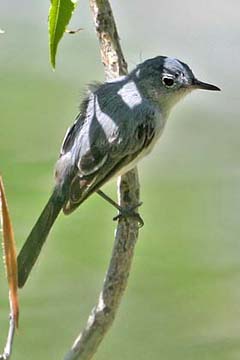
GALLERIES > BIRDS > PASSERIFORMES > SYLVIIDAE > BLUE-GRAY GNATCATCHER [Polioptila caerulea] [plot on map]
Location: Magee Marsh (Crane Creek), OHGPS: 41.6N, -83.2W, elev=573' MAP Date: May 13, 2017 ID : B13K5211 [4896 x 3264]
|
|

|
Location: Magee Marsh (Crane Creek), OHGPS: 41.6N, -83.2W, elev=573' MAPDate: May 13, 2017 |
|
|
Location: Magee Marsh (Crane Creek), OHGPS: 41.6N, -83.2W, elev=573' MAP Date: May 13, 2017 ID : B13K5160 [4896 x 3264]
|
|
|
Location: Magee Marsh (Crane Creek), OHGPS: 41.6N, -83.2W, elev=573' MAP Date: May 13, 2017 ID : B13K5164 [4896 x 3264]
|
|
|
Location: Magee Marsh (Crane Creek), OHGPS: 41.6N, -83.2W, elev=573' MAP Date: May 13, 2017 ID : B13K5167 [4896 x 3264]
|
|
|
Location: Magee Marsh (Crane Creek), OHGPS: 41.6N, -83.2W, elev=573' MAP Date: May 13, 2017 ID : B13K5171 [4896 x 3264]
|
|
|
Location: Magee Marsh (Crane Creek), OHGPS: 41.6N, -83.2W, elev=573' MAP Date: May 13, 2017 ID : B13K5159 [4896 x 3264]
|
|
|
Location: Magee Marsh (Crane Creek), OHGPS: 41.6N, -83.2W, elev=573' MAP Date: May 3, 2008 ID : 0268 [3888 x 2592]
|
Location: Magee Marsh (Crane Creek), OHGPS: 41.6N, -83.2W, elev=573' MAP Date: May 3, 2008 ID : 0275 [3888 x 2592]
|
|
Location: Santa Barbara, CAGPS: 34.4N, -119.7W, elev=35' MAP Date: October 7, 2007 ID : 5555 [3888 x 2592]
|
Location: Santa Barbara, CAGPS: 34.4N, -119.7W, elev=35' MAP Date: October 7, 2007 ID : 5609 [3888 x 2592]
|
|
Location: Santa Barbara, CAGPS: 34.4N, -119.7W, elev=35' MAP Date: October 7, 2007 ID : 5611 [3888 x 2592]
|
Location: Cabo San Lucas, MexicoGPS: 22.9N, -109.9W, elev=16' MAP Date: September 2, 2007 ID : ? [3888 x 2592]
|
|
Location: Cabo San Lucas, MexicoGPS: 22.9N, -109.9W, elev=16' MAP Date: September 2, 2007 ID : ? [3888 x 2592]
|
|
SPECIES INFO
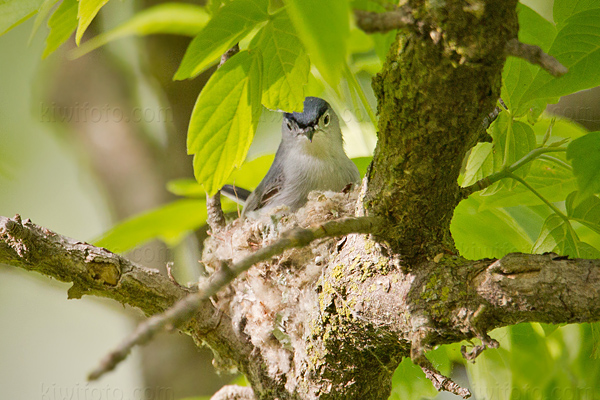
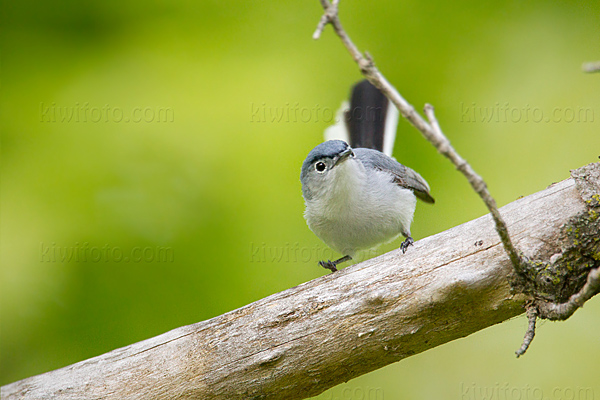
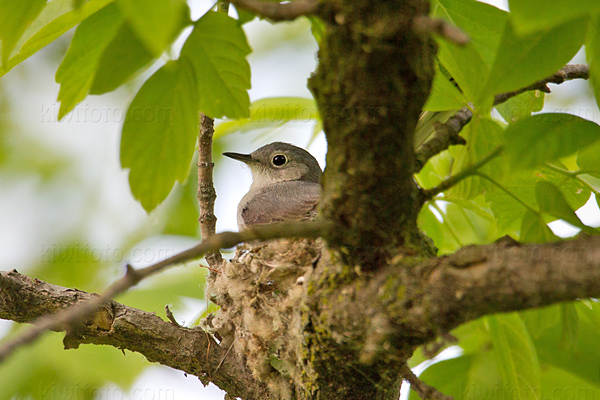
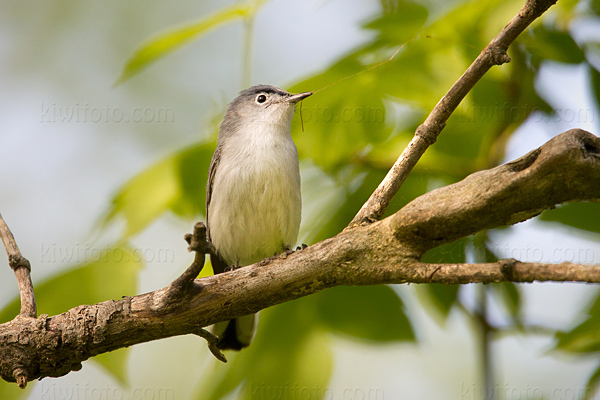
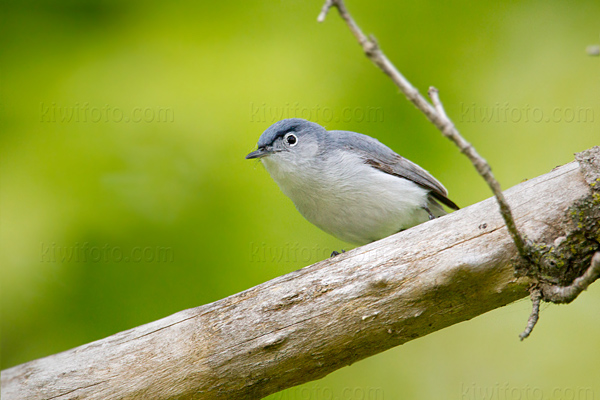
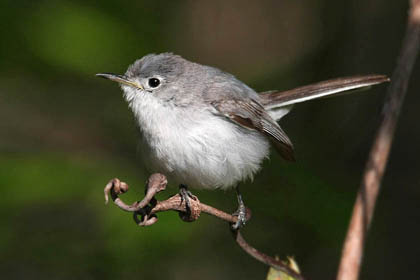
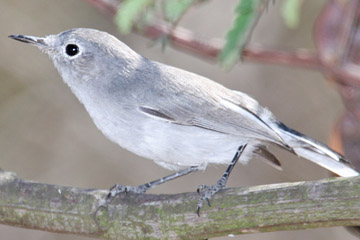
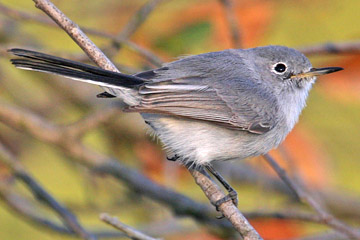
The Blue-gray Gnatcatcher, Polioptila caerulea, is a very small songbird.
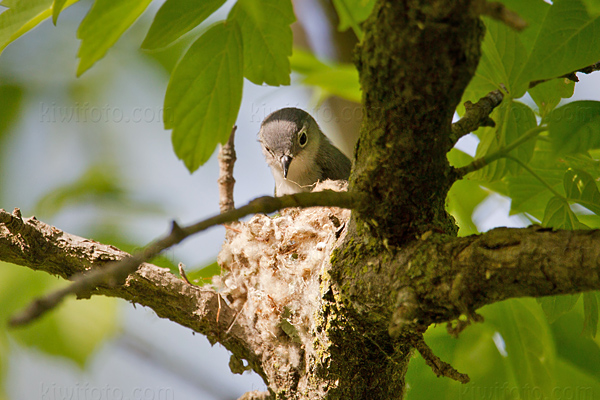
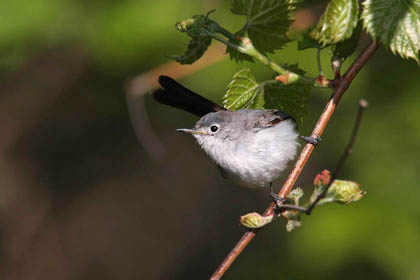
Adults are blue-grey on the upperparts with white underparts, with a long slender bill and a long black tail. They have a white eye ring.
Their breeding habitat is open deciduous woods and shrublands in southern Ontario, the eastern and southwestern United States and Mexico. They build a cup nest similar in construction to a hummingbird nest on a horizontal tree branch. Both parents construct the nest and feed the young; they may raise two broods in a season.
These birds migrate to the southern United States, Mexico, northern Central America-(Belize, Guatemala, and Honduras), Cuba, Bahamas, Turks and Caicos Islands, and the Cayman Islands.
They forage actively in trees or shrubs, mainly eating insects, insect eggs and spiders. They may hover over foliage or fly to catch insects in flight.
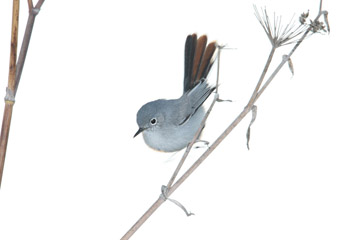
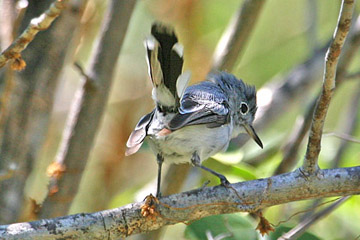
The tail is often held upright while defending territory or searching for food.
|
|