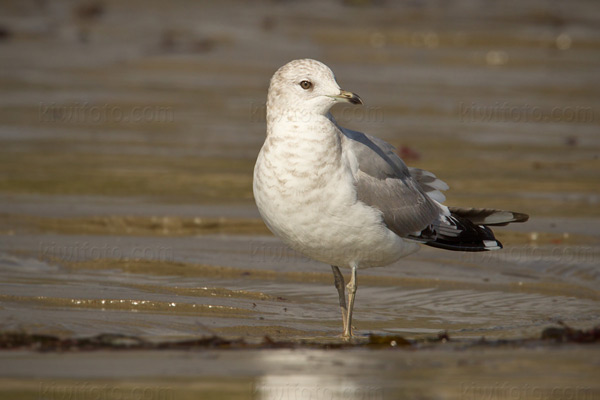
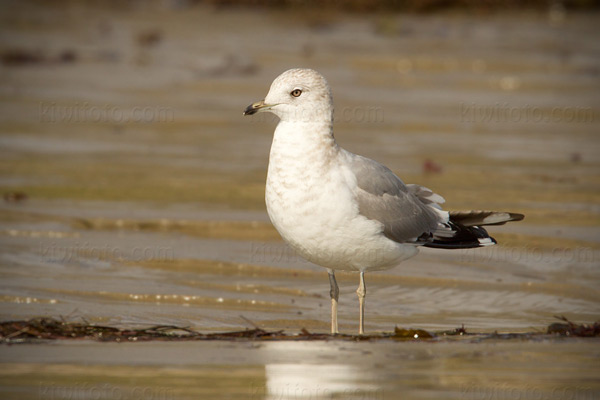
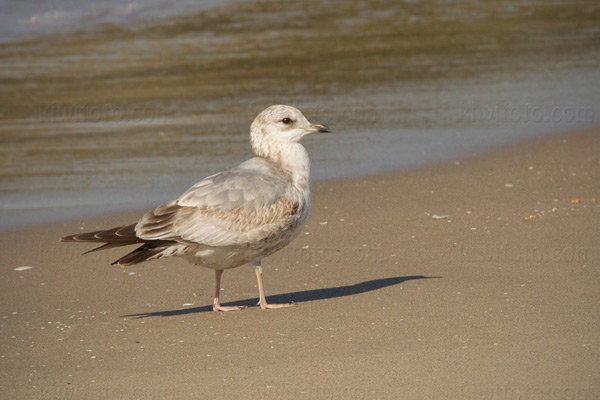
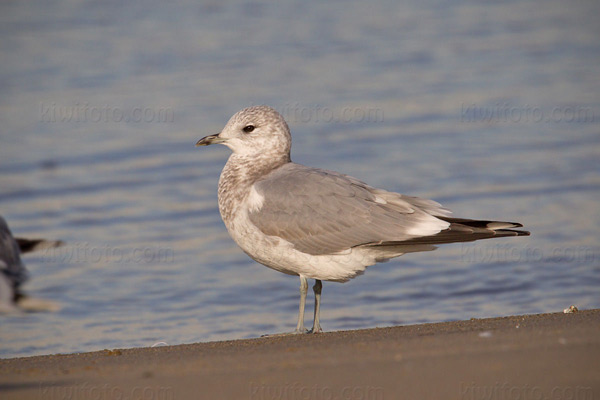
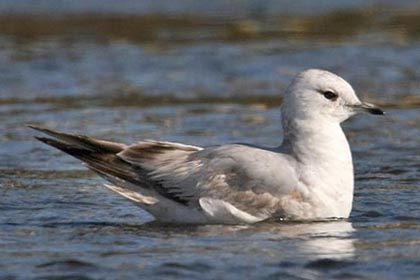
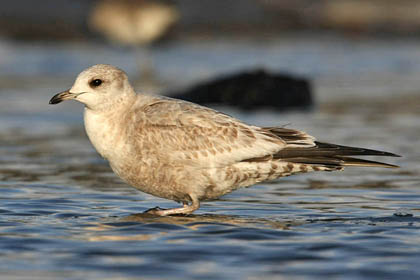
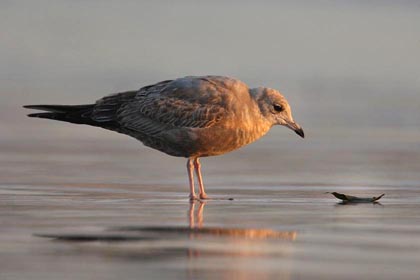
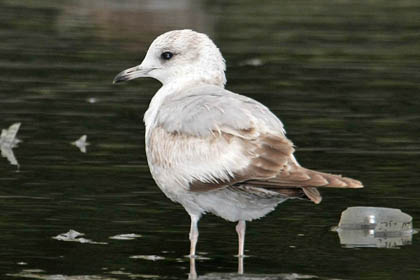
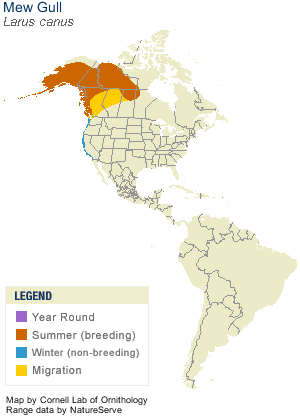
GALLERIES > BIRDS > CHARADRIIFORMES > LARIDAE > MEW GULL [Larus canus] [plot on map]
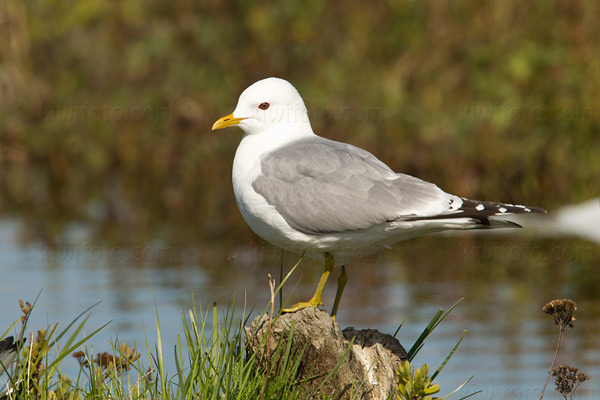
Location: Potter Marsh, Anchorage, AKGPS: 61.1N, -149.8W, elev=16' MAP Date: May 28, 2012 ID : B13K7587 [4896 x 3264]
|
|

|
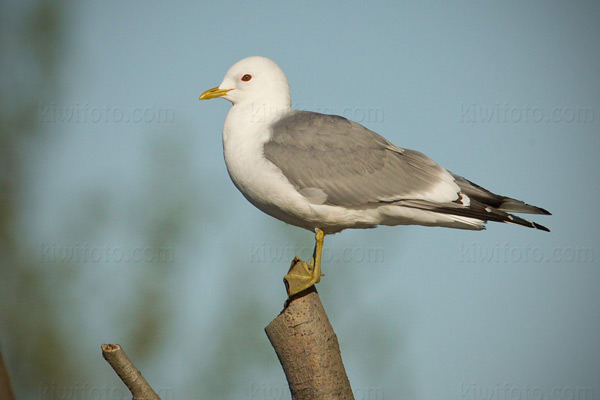
Location: Potter Marsh, Anchorage, AKGPS: 61.1N, -149.8W, elev=16' MAP Date: May 28, 2012 ID : B13K7459 [4896 x 3264]
|
|
|
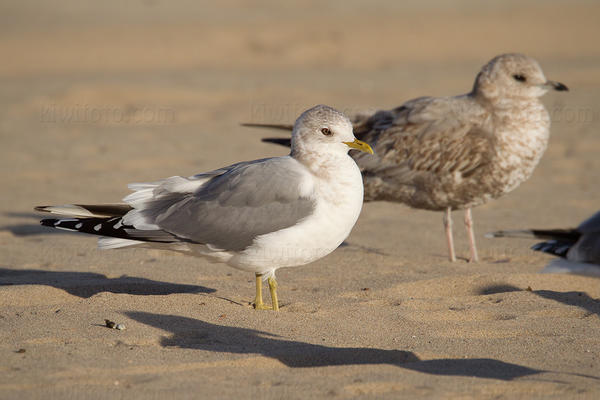
Location: Playa del Rey, CAGPS: 33.9N, -118.4W, elev=50' MAP Date: January 29, 2016 ID : B13K0099 [4896 x 3264]
|
|
|
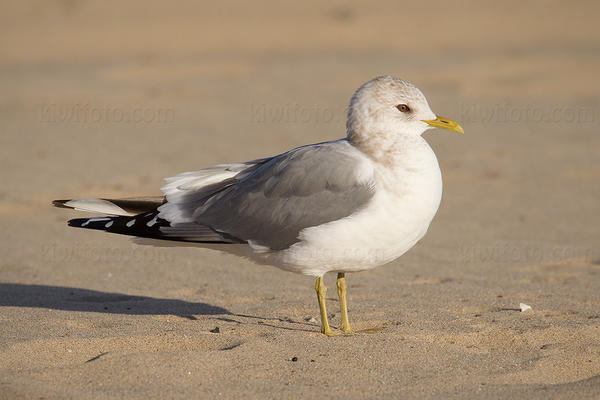
Location: Playa del Rey, CAGPS: 33.9N, -118.4W, elev=50' MAP Date: January 29, 2016 ID : B13K0100 [4896 x 3264]
|
|
|
Location: Playa del Rey, CAGPS: 33.9N, -118.4W, elev=50' MAP Date: January 29, 2016 ID : B13K0103 [4896 x 3264]
|
|
|
Location: Newbiggin-by-the-Sea, Northumberlands, United KingdomGPS: 55.2N, -1.5W, elev=7' MAP Date: December 30, 2011 ID : B13K1967 [4896 x 3264]
|
|
|
Location: New Berwick, Scotland, United KingdomGPS: 56.1N, -2.7W, elev=4' MAP Date: January 1, 2012 ID : B13K2117 [4896 x 3264]
|
|
|
Location: Albert Village Lake, United KingdomGPS: 52.6N, -1.3W, elev=439' MAP Date: December 29, 2011 ID : B13K1794 [4896 x 3264]
|
|
|
Location: Albert Village Lake, United KingdomGPS: 52.6N, -1.3W, elev=439' MAP Date: December 29, 2011 ID : B13K1783 [4896 x 3264]
|
|
|
Location: Playa del Rey, CAGPS: 33.9N, -118.4W, elev=50' MAP Date: January 27, 2013 ID : B13K1937 [4896 x 3264]
|
|
|
Location: Playa del Rey, CAGPS: 33.9N, -118.4W, elev=50' MAP Date: January 27, 2013 ID : B13K1892 [4896 x 3264]
|
|
|
Location: Playa del Rey, CAGPS: 33.9N, -118.4W, elev=50' MAP Date: January 27, 2013 ID : B13K1945 [4896 x 3264]
|
|
|
Location: Playa del Rey, CAGPS: 33.9N, -118.4W, elev=50' MAP Date: January 27, 2013 ID : B13K1948 [4896 x 3264]
|
|
|
Location: Potter Marsh, Anchorage, AKGPS: 61.1N, -149.8W, elev=16' MAP Date: May 28, 2012 ID : B13K7443 [4896 x 3264]
|
|
|
Location: Ventura (Marina Park), CAGPS: 34.3N, -119.3W, elev=3' MAP Date: January 3, 2009 ID : 7C2V2930 [3888 x 2592]
|
Location: Playa del Rey (Ballona Creek), CAGPS: 34.0N, -118.4W, elev=0' MAP Date: February 21, 2008 ID : 4303 [3888 x 2592]
|
|
Location: Malibu Lagoon, CAGPS: 34.0N, -118.7W, elev=8' MAP Date: February 21, 2012 ID : B13K4295 [4896 x 3264]
|
|
|
Location: Malibu Lagoon, CAGPS: 34.0N, -118.7W, elev=8' MAP Date: February 21, 2012 ID : B13K4302 [4896 x 3264]
|
|
|
Location: Playa del Rey (Ballona Creek), CAGPS: 34.0N, -118.4W, elev=0' MAP Date: March 3, 2012 ID : B13K4448 [4896 x 3264]
|
|
|
Location: San Pedro (Cabrillo Beach), CAGPS: 33.7N, -118.3W, elev=5' MAP Date: November 9, 2011 ID : B13K9858 [4896 x 3264]
|
|
|
Location: Playa del Rey (Ballona Creek), CAGPS: 34.0N, -118.4W, elev=0' MAP Date: November 15, 2011 ID : B13K0040 [4896 x 3264]
|
|
|
Location: San Pedro (Cabrillo Beach), CAGPS: 33.7N, -118.3W, elev=5' MAP Date: November 9, 2011 ID : B13K9856 [4896 x 3264]
|
|
|
Location: Playa del Rey (Ballona Creek), CAGPS: 34.0N, -118.4W, elev=0' MAP Date: December 16, 2008 ID : 7C2V2647 [3888 x 2592]
|
Location: Playa del Rey (Ballona Creek), CAGPS: 34.0N, -118.4W, elev=0' MAP Date: December 16, 2008 ID : 7C2V2634 [3888 x 2592]
|
|
Location: Playa del Rey (Ballona Creek), CAGPS: 34.0N, -118.4W, elev=0' MAP Date: March 18, 2008 ID : 6752 [3888 x 2592]
|
Location: Playa del Rey (Ballona Creek), CAGPS: 34.0N, -118.4W, elev=0' MAP Date: February 20, 2008 ID : 4144 [3888 x 2592]
|
|
Location: Playa del Rey (Ballona Creek), CAGPS: 34.0N, -118.4W, elev=0' MAP Date: January 9, 2008 ID : 2085 [3888 x 2592]
|
Location: Playa del Rey (Ballona Creek), CAGPS: 34.0N, -118.4W, elev=0' MAP Date: March 1, 2008 ID : 4829 [3888 x 2592]
|
|
SPECIES INFO
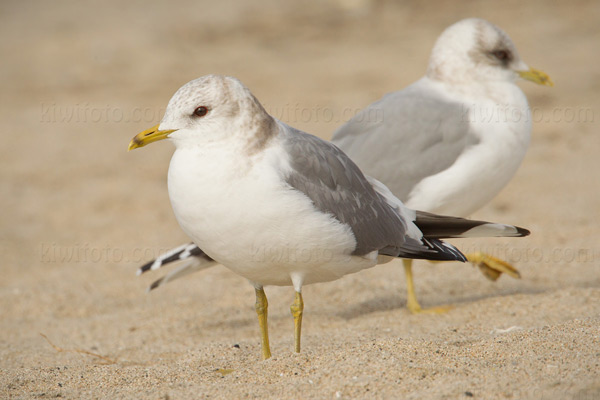
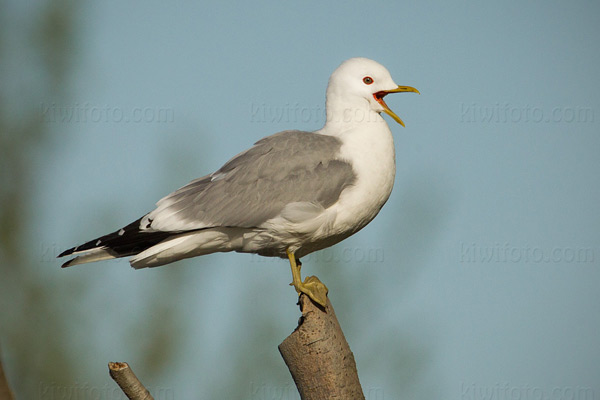
The Common Gull or Mew Gull (Larus canus) is a medium-sized gull which breeds in northern Asia, northern Europe and northwestern North America. It migrates further south in winter.
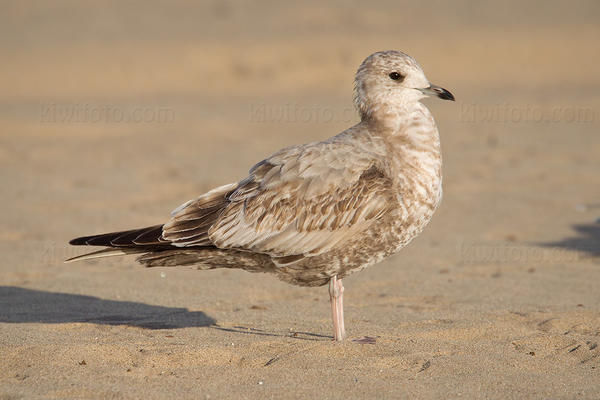
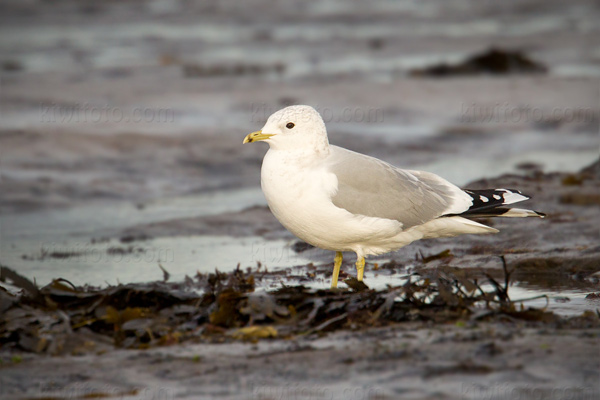
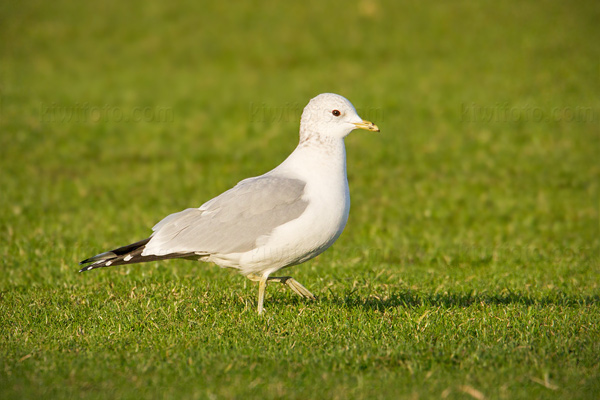
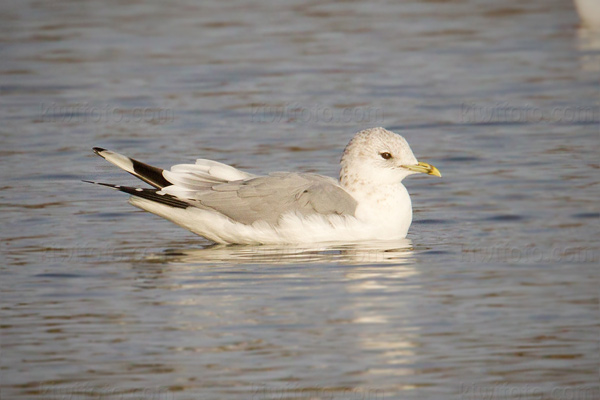
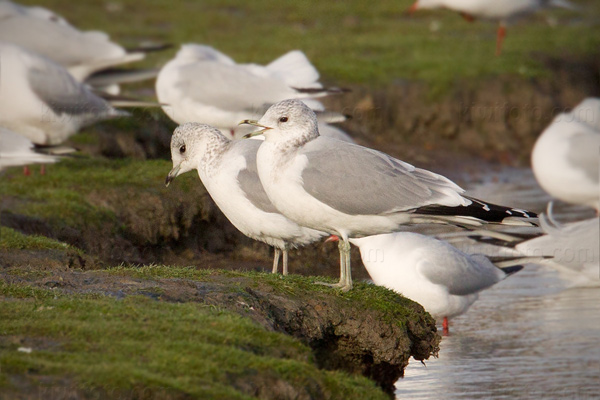
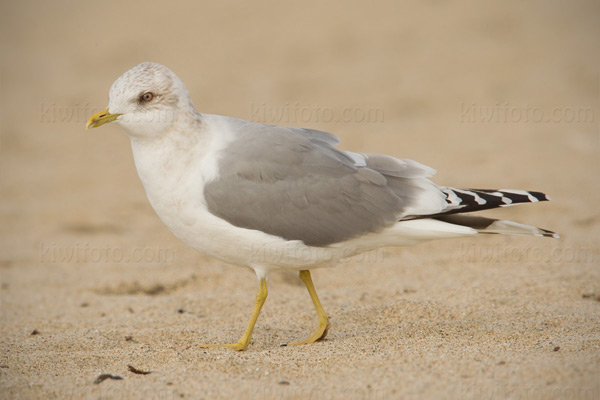
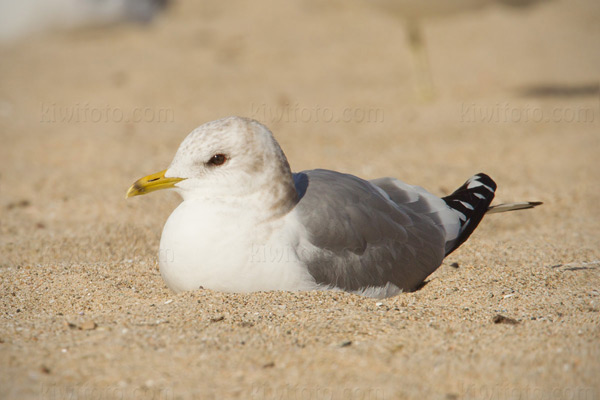
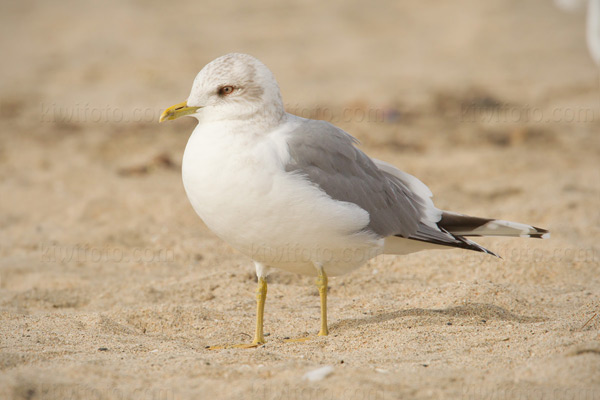
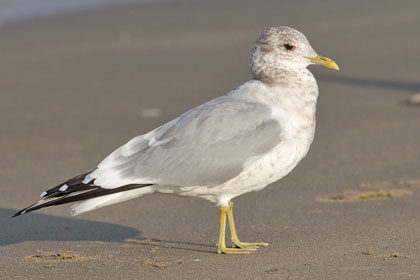
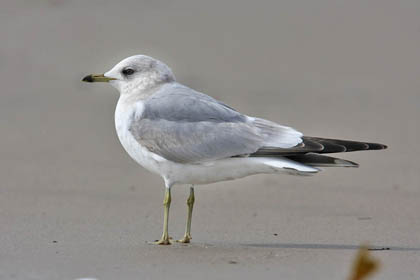
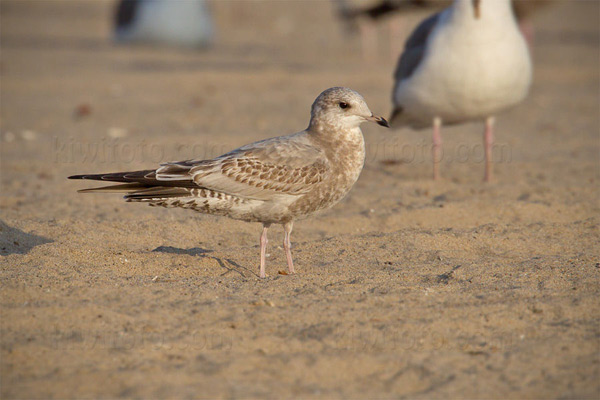
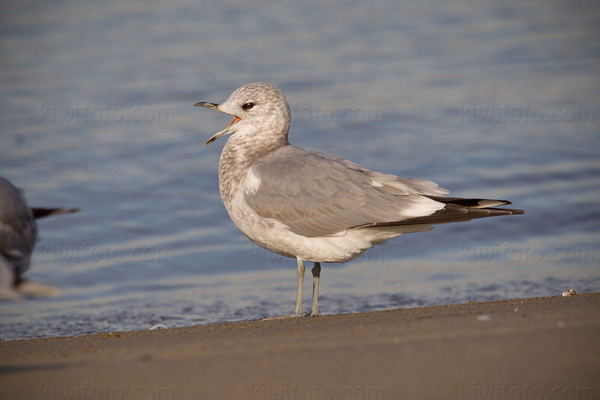
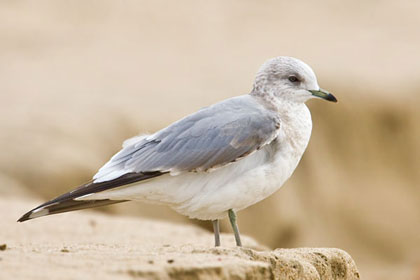
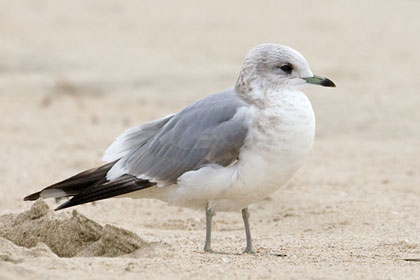
Adults are 40-46 cm long, obviously smaller than the Herring Gull, and slightly smaller than the Ring-billed Gull, also differing from this in its shorter, more tapered bill with a more greenish shade of yellow, as well as being unmarked during the breeding season. The body is grey above and white below. The legs are greenish-yellow. In winter, the head is streaked grey, and the bill often has a poorly-defined blackish band near the tip (sometimes sufficiently obvious to cause confusion with Ring-billed Gull). They have black wingtips with large white "mirrors". Young birds have scaly black-brown upperparts and a neat wing pattern, and grey legs. They take two to three years to reach maturity. The call is a high-pitched "laughing" cry.
There are four subspecies, two of them considered distinct species by some authorities:
Larus canus canus Linnaeus, 1758. Common Gull. Europe and western Asia. Small; mantle medium grey (palest subspecies); wingtips with extensive black; iris dark. Wingspan 110-125 cm; weight 290-480 g.
Larus canus heinei Homeyer, 1853. Central northern Asia. Medium size; mantle dark grey (darkest subspecies); wingtips with extensive black; iris dark. Weight 315-550 g.
Larus canus kamtschatschensis (Bonaparte, 1857); syn. L. kamtschatschensis. "Kamchatka Gull". Northeastern Asia. Large; mantle medium-dark grey; wingtips with extensive black; iris pale. Weight 394-586 g.
Larus canus brachyrhynchus Richardson, 1831; syn. L. brachyrhynchus. Mew Gull or "Short-billed Gull". Alaska and western Canada. Small; mantle medium-dark grey; wingtips with little black and much white; iris pale. Wingspan 96-102 cm; weight 320-550 g.
Both Common and Mew Gulls breed colonially near water or in marshes, making a lined nest on the ground or in a small tree; colony size varies from two to 320 or more pairs. Usually three eggs are laid (sometimes just one or two); they hatch after 24-26 days, with the chicks fledging after a further 30-35 days. Like most gulls, they are omnivores and will scavenge as well as hunt small prey. The global population is estimated to be about one million pairs; they are most numerous in Europe, with over half (possibly as much as 80-90%) of the world population. By contrast, the Alaskan population is only about 10,000 pairs.
The Common Gull occurs as a scarce winter visitor to coastal eastern Canada and as a vagrant to the northeastern USA, and there is one recent record of Mew Gull in Europe on the Azores.
|
|