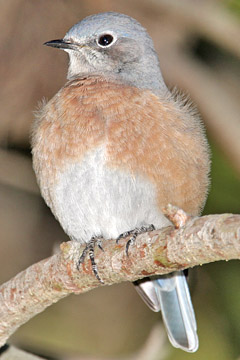
GALLERIES > BIRDS > PASSERIFORMES > TURDIDAE > WESTERN BLUEBIRD [Sialia mexicana] [plot on map]
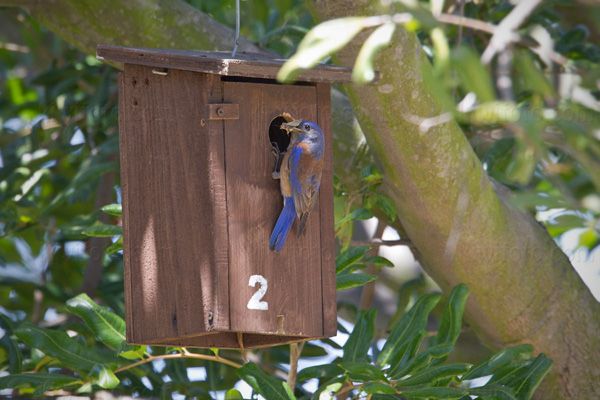
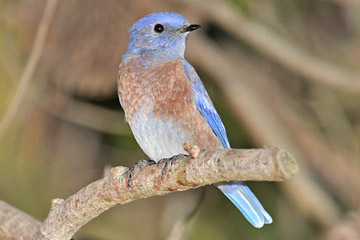
Location: Oak Glen, CAGPS: 34.0N, -116.9W, elev=4,725' MAP Date: March 6, 2016 ID : B13K1110 [4896 x 3264]
|
|

|
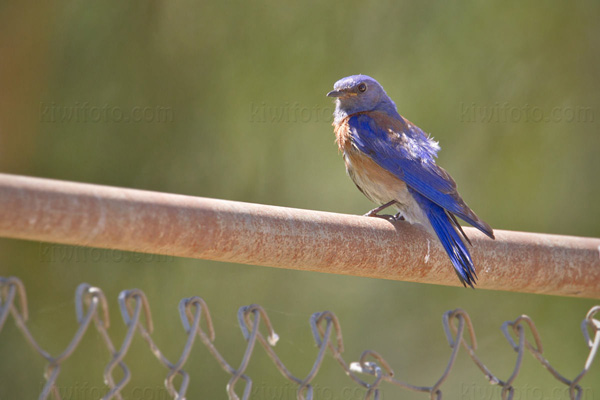
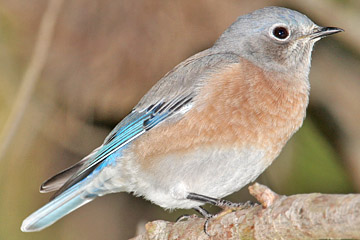
Location: Malibu Creek State Park (Calabasas), CAGPS: 34.1N, -118.7W, elev=592' MAP Date: December 18, 2011 ID : B13K0895 [4896 x 3264]
|
|
|
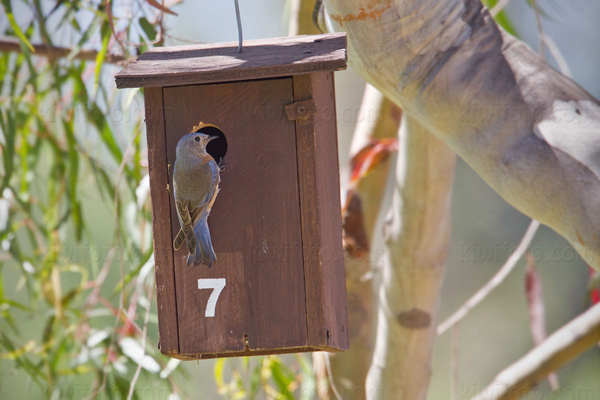
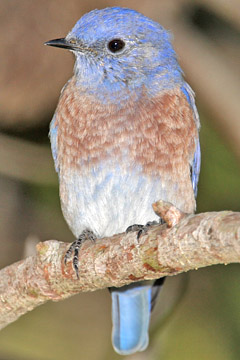
Location: Santa Monica (Woodlawn Cemetery), CAGPS: 34.0N, -118.5W, elev=139' MAP Date: April 28, 2011 ID : B13K7914 [4896 x 3264]
|
|
|
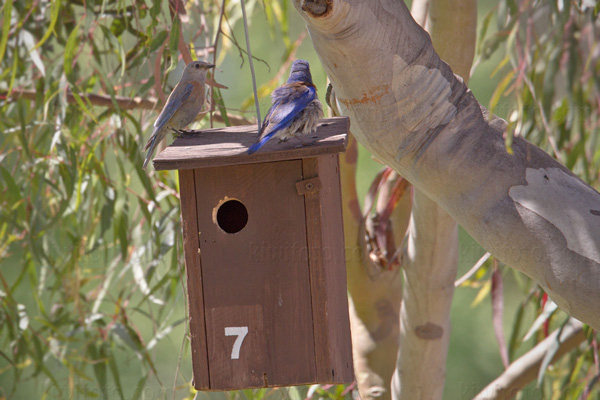
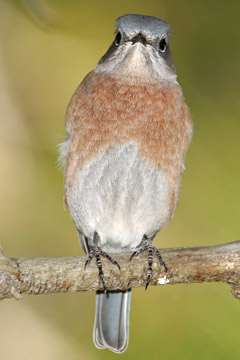
Location: Santa Monica (Penmar Golf Course), CAGPS: 34.0N, -118.5W, elev=27' MAP Date: April 28, 2011 ID : B13K7898 [4896 x 3264]
|
|
|
Location: Santa Monica (Penmar Golf Course), CAGPS: 34.0N, -118.5W, elev=27' MAP Date: April 28, 2011 ID : B13K7912 [4896 x 3264]
|
|
|
Location: Santa Monica (Penmar Golf Course), CAGPS: 34.0N, -118.5W, elev=27' MAP Date: April 28, 2011 ID : B13K7906 [4896 x 3264]
|
|
|
Location: Santa Monica (Penmar Golf Course), CAGPS: 34.0N, -118.5W, elev=27' MAP Date: April 28, 2011 ID : B13K7903 [4896 x 3264]
|
|
|
Location: Santa Monica (Penmar Golf Course), CAGPS: 34.0N, -118.5W, elev=27' MAP Date: April 28, 2011 ID : B13K7907 [4896 x 3264]
|
|
|
Location: San Jacinto Wildlife Area, CAGPS: 33.9N, -117.1W, elev=1,426' MAP Date: August 8, 2008 ID : 7C2V6866 [3888 x 2592]
|
Location: Silverado, CA (Maple Springs)GPS: 33.7N, -117.5W, elev=4,309' MAP Date: June 27, 2009 ID : 7C2V9728_tight [3888 x 2592]
|
|
Location: Lake Cachuma, CAGPS: 34.6N, -120.0W, elev=845' MAP Date: December 8, 2007 ID : 7669 [3888 x 2592]
|
Location: Lake Cachuma, CAGPS: 34.6N, -120.0W, elev=845' MAP Date: December 8, 2007 ID : 7671 [3888 x 2592]
|
|
Location: Huntington Beach (Central Park), CA
Date: September 30, 2007
ID : 3791 [3888 x 2592]
|
Location: Huntington Beach (Central Park), CA
Date: September 30, 2007
ID : 3806 [3888 x 2592]
|
|
Location: Huntington Beach (Central Park), CA
Date: September 30, 2007
ID : 3795 [3888 x 2592]
|
Location: Huntington Beach (Central Park), CA
Date: September 30, 2007
ID : 3775 [3888 x 2592]
|
|
Location: Huntington Beach (Central Park), CA
Date: September 30, 2007
ID : 3777 [3888 x 2592]
|
Location: Huntington Beach (Central Park), CA
Date: September 30, 2007
ID : 3801 [3888 x 2592]
|
|
Location: Huntington Beach (Central Park), CA
Date: September 30, 2007
ID : 3804 [3888 x 2592]
|
Location: Huntington Beach (Central Park), CA
Date: September 30, 2007
ID : 3810 [3888 x 2592]
|
|
Location: Huntington Beach (Central Park), CA
Date: September 30, 2007
ID : 3812 [3888 x 2592]
|
|
SPECIES INFO
The Western Bluebird (Sialia mexicana) is a medium-sized thrush.
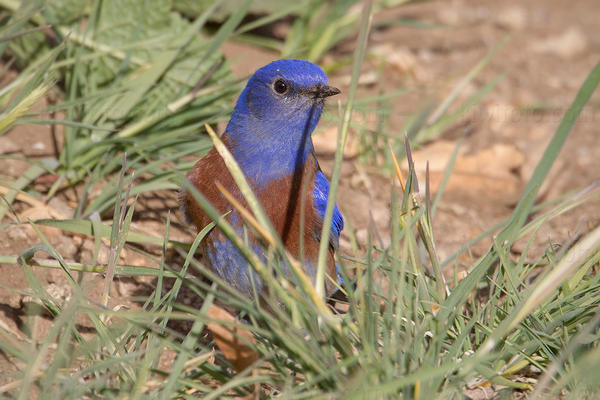
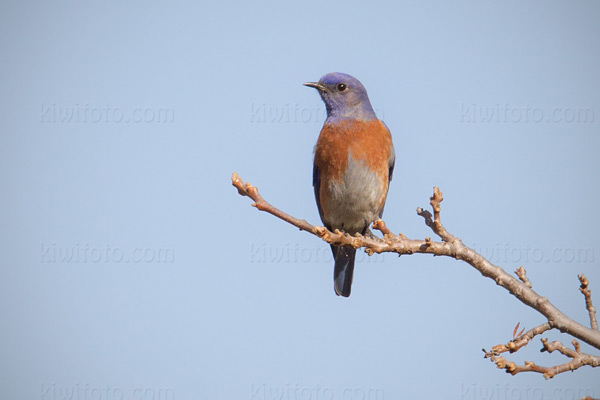
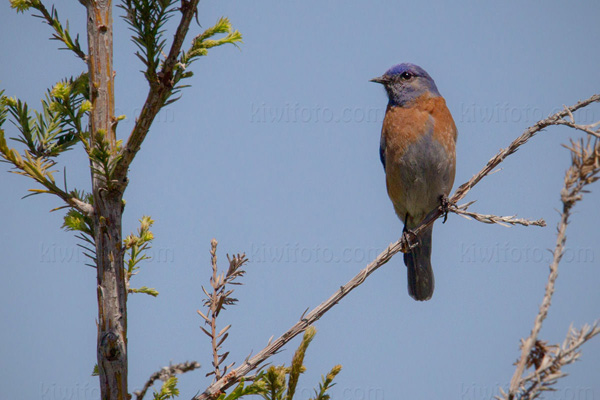
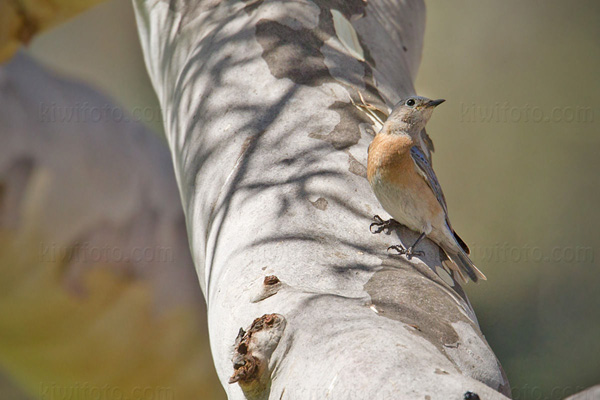
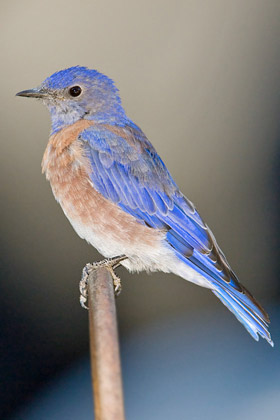
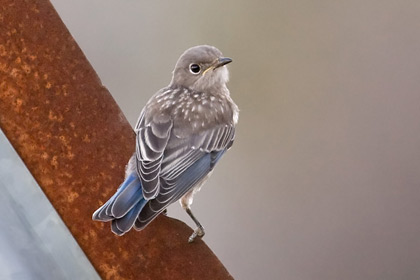
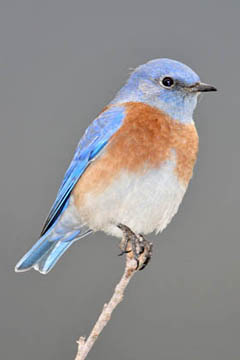
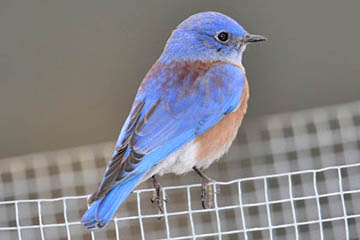
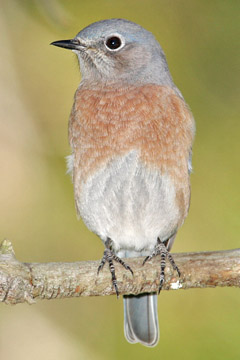
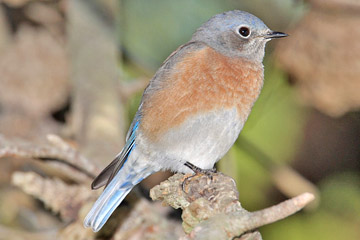
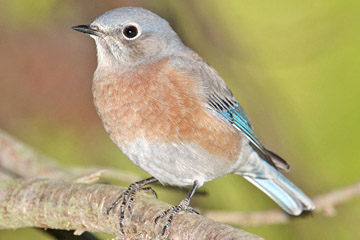
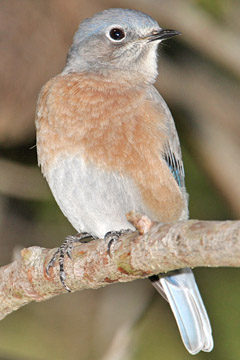
Adults have a grey belly. Adult males are bright blue on top and on the throat with a red breast; they have a brown patch on their back. Adult females have duller blue wings and tail, a brownish breast and a grey crown, throat and back.
Northern birds migrate to the southern parts of the range; southern birds are often permanent residents.
These birds wait on a perch and fly down to catch insects, sometimes catching them in midair. They mainly eat insects and berries.
Their breeding habitat is semi-open country across western North America, but not desert areas. They nest in cavities or in nest boxes, competing with Tree Swallows, House Sparrows, and European Starlings for natural nesting locations. Because of the high level of competition, Tree swallows often attack western bluebirds for their nests. The attacks are made both in groups or alone, though only when in groups can the swallows evict the bluebirds from their nests.
In restored forests Western Bluebirds have a higher probability of successfully fledging young than in untreated forests, but they are at greater risk of parasitic infestations. The effects on post-fledging survival are unknown. Western Bluebirds have been found to enjoy more success with nest boxes than in natural cavities. They started egg laying earlier, had higher nesting success, lower predation rates, and fledged more young in boxes than in cavities but they did not have larger clutches of eggs.
|
|