GALLERIES > BIRDS > PASSERIFORMES > ICTERIDAE > BOBOLINK [Dolichonyx oryzivorus]
|
|
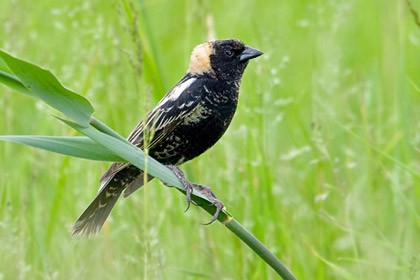
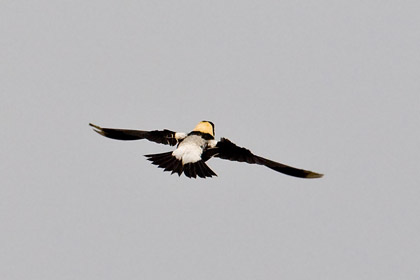
Location: Chagrin River Park, OHGPS: 41.7N, -81.4W, elev=594' MAP Date: May 28, 2009 ID : 7C2V8225 [3888 x 2592]
|
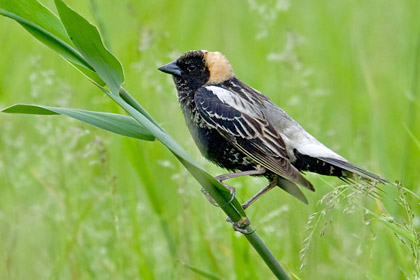
Location: Chagrin River Park, OHGPS: 41.7N, -81.4W, elev=594' MAP Date: May 28, 2009 ID : 7C2V8209 [3888 x 2592]
|

|
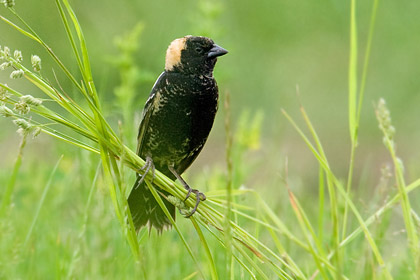
Location: Chagrin River Park, OHGPS: 41.7N, -81.4W, elev=594' MAP Date: May 28, 2009 ID : 7C2V8195 [3888 x 2592]
|
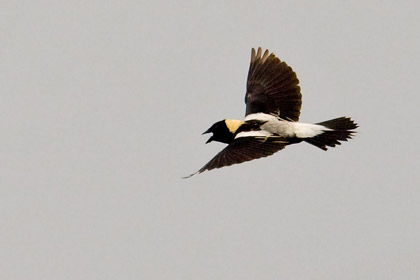
Location: Chagrin River Park, OHGPS: 41.7N, -81.4W, elev=594' MAP Date: May 28, 2009 ID : 7C2V8233 [3888 x 2592]
|
|
Location: Chagrin River Park, OHGPS: 41.7N, -81.4W, elev=594' MAP Date: May 28, 2009 ID : 7C2V8230 [3888 x 2592]
|
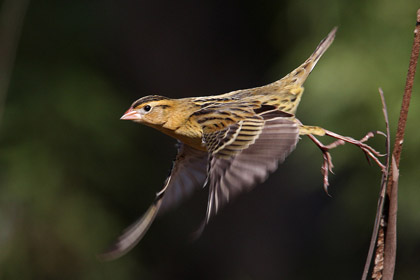
Location: Torrance (Madrona Marsh), CA
Date: September 20, 2007
ID : ? [3888 x 2592]
|
|
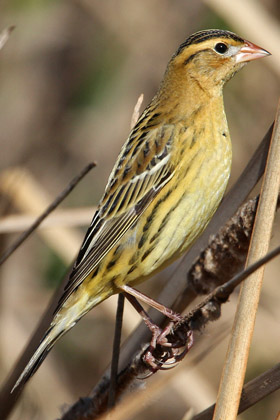
Location: Torrance (Madrona Marsh), CA
Date: September 20, 2007
ID : ? [3888 x 2592]
|
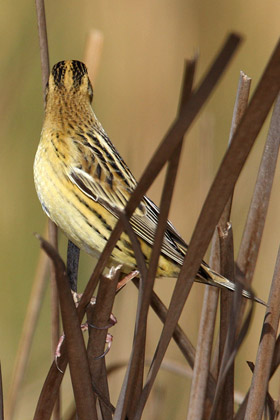
Location: Torrance (Madrona Marsh), CA
Date: September 20, 2007
ID : ? [3888 x 2592]
|
|
Location: Torrance (Madrona Marsh), CA
Date: September 20, 2007
ID : ? [3888 x 2592]
|
Location: Torrance (Madrona Marsh), CA
Date: September 20, 2007
ID : 1847 [3888 x 2592]
|
|
Location: Torrance (Madrona Marsh), CA
Date: September 20, 2007
ID : ? [3888 x 2592]
|
Location: Torrance (Madrona Marsh), CA
Date: September 20, 2007
ID : ? [3888 x 2592]
|
|
SPECIES INFO
The Bobolink, Dolichonyx oryzivorus, is a small New World blackbird and the only member of genus Dolichonyx.
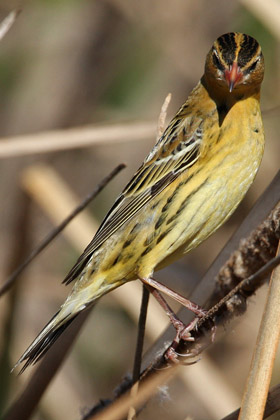
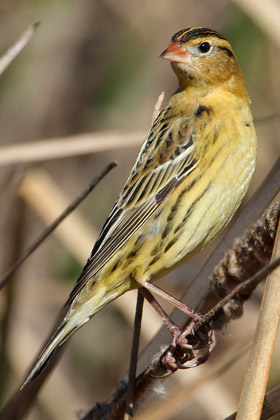
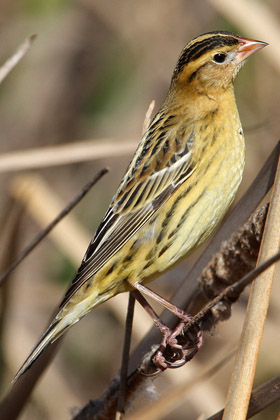
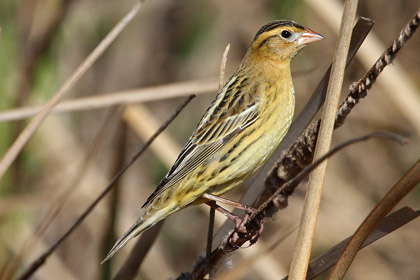
Adults are 16-18 cm long with short finch-like bills. Adult males are mostly black, although they do display creamy napes, and white scapulars, lower backs and rumps. Adult females are mostly light brown, although their coloring includes black streaks on the back and flanks, and dark stripes on the head; their wings and tails are darker.
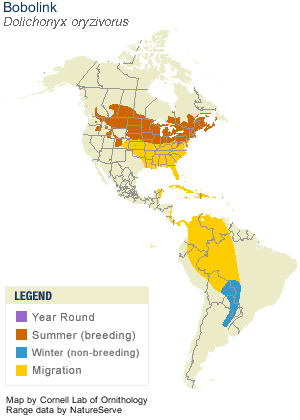
Their breeding habitats are open grassy fields, especially hay fields, across North America. Females lays 5 to 6 eggs in a cup-shaped nest, which is always situated on the ground and is usually well-hidden in dense vegetation. Both parents feed the young.
These birds migrate to Argentina, Bolivia and Paraguay. They often migrate in flocks, feeding on cultivated grains and rice, which leads to them being considered a pest by farmers in some areas. Although Bobolinks migrate long distances, they have rarely been sighted in Europe.
Bobolinks forage on, or near the ground, and mainly eat seeds and insects.
Males sing bright, bubbly songs in flight; these songs gave this species its common name.
The numbers of these birds are declining due to loss of habitat. Originally, they were found in tall grass prairie and other open areas with dense grass. Although hay fields are suitable nesting habitat, fields which are harvested multiple times in a season may not allow sufficient time for the young birds to fledge. This species increased in numbers when horses were the primary mode of transportation, requiring larger supplies of hay.
|
|