GALLERIES > BIRDS > PELECANIFORMES > PELECANIDAE > BROWN PELICAN [Pelecanus occidentalis] [plot on map]
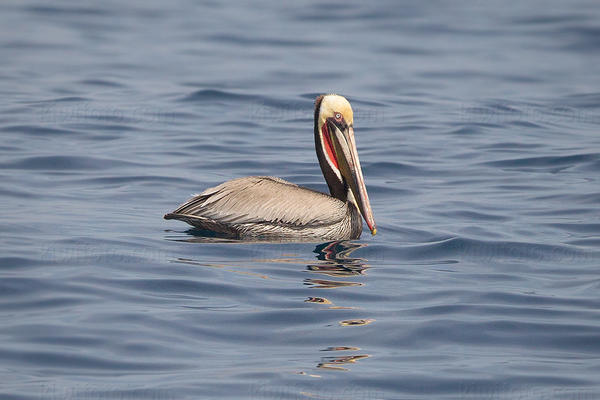
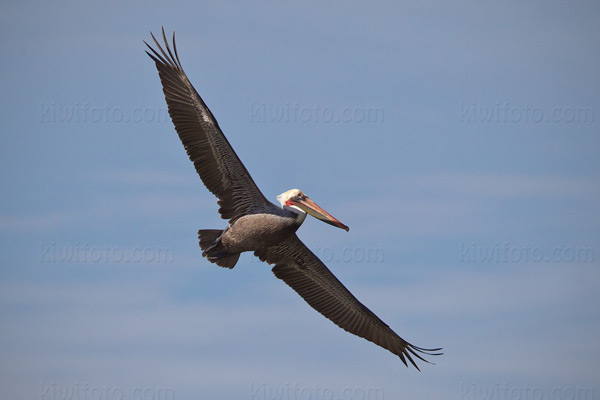
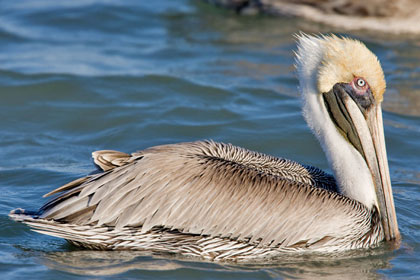
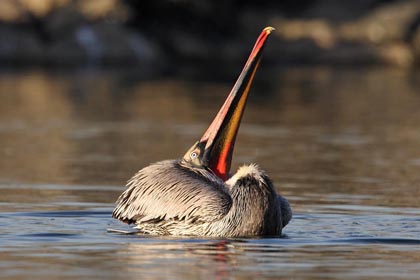
Location: Orange County (pelagic waters), CAGPS: 33.5N, -118.1W, depth=-762' MAP Date: February 28, 2016 ID : B13K0922 [4896 x 3264]
|
|

|
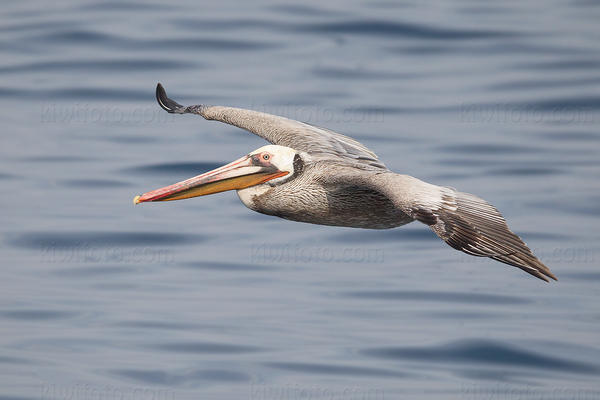
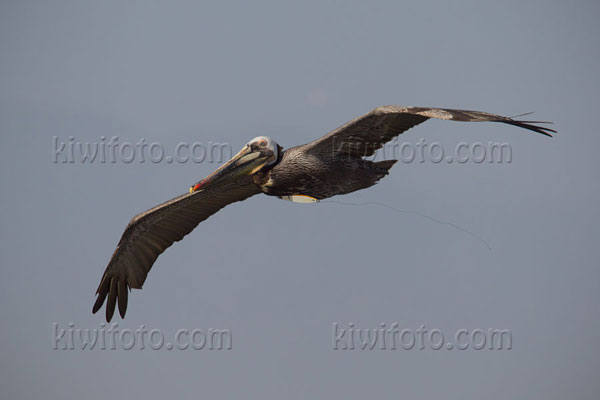
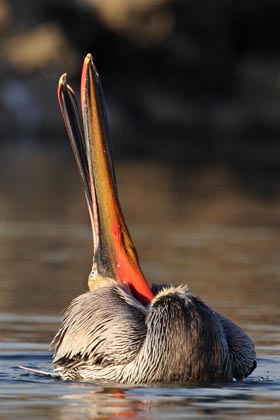
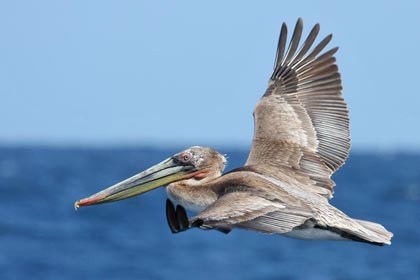
Location: Orange County (pelagic waters), CAGPS: 33.5N, -118.1W, depth=-762' MAP Date: February 28, 2016 ID : B13K0918 [4896 x 3264]
|
|
|
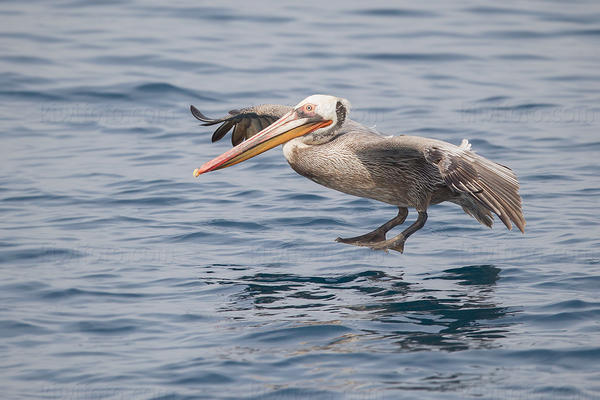
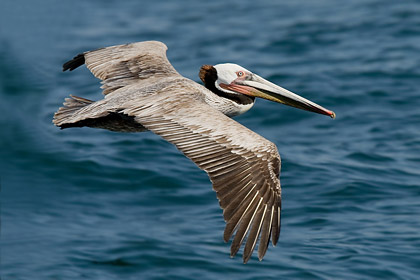
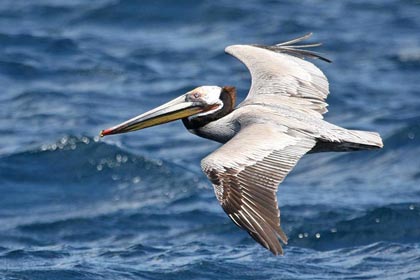
Location: Orange County (pelagic waters), CAGPS: 33.5N, -118.1W, depth=-762' MAP Date: February 28, 2016 ID : B13K0921 [4896 x 3264]
|
|
|
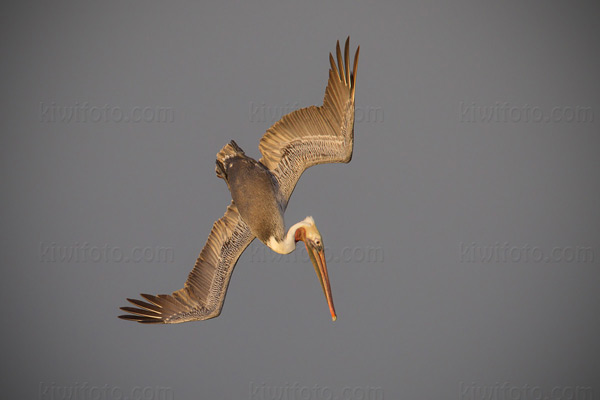
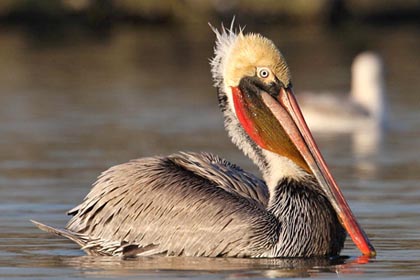
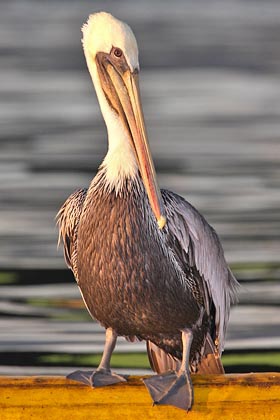
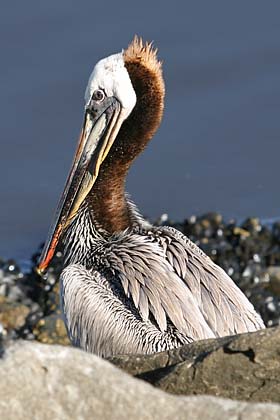
Location: Playa del Rey (Ballona Creek), CAGPS: 34.0N, -118.4W, elev=0' MAP Date: December 11, 2011 ID : B13K0668 [4896 x 3264]
|
|
|
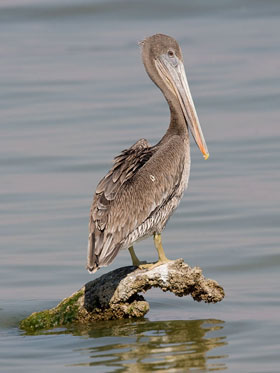
Location: Estero San Jose, San Jose del Cabo, MexicoGPS: 23.1N, -109.7W, elev=26' MAP Date: February 1, 2013 ID : B13K2118 [4896 x 3264]
|
|
|
Location: Playa del Rey (Ballona Creek), CAGPS: 34.0N, -118.4W, elev=0' MAP Date: April 25, 2011 ID : B13K7873 [4896 x 3264]
|
|
|
Location: Playa del Rey (Ballona Creek), CAGPS: 34.0N, -118.4W, elev=0' MAP Date: January 2, 2008 ID : 1782 [3888 x 2592]
|
Location: Salton Sea, CAGPS: 33.2N, -115.6W, elev=-232' MAP Date: August 15, 2009 ID : 7C2V1635 [3888 x 2592]
|
|
Location: Goose Island State Park, TXGPS: 28.1N, -96.9W, elev=-1' MAP Date: February 1, 2009 ID : 7C2V4439 [3888 x 2592]
|
Location: Playa del Rey (Ballona Creek), CAGPS: 34.0N, -118.4W, elev=0' MAP Date: January 2, 2008 ID : 1777 [3888 x 2592]
|
|
Location: Tijuana (Coronados Islands), Mexico
Date: April 4, 2009
ID : 7C2V6946 [3888 x 2592]
|
Location: Playa del Rey (Ballona Creek), CA
Date: October 2, 2007
ID : 4353 [3888 x 2592]
|
|
Location: Playa del Rey (Ballona Creek), CAGPS: 34.0N, -118.4W, elev=0' MAP Date: January 2, 2008 ID : 1778 [3888 x 2592]
|
Location: Tijuana (Coronado Islands), MexicoGPS: 32.4N, -117.2W, elev=0' MAP Date: March 15, 2008 ID : 6344 [3888 x 2592]
|
|
Location: Tijuana (Coronado Islands), MexicoGPS: 32.4N, -117.2W, elev=0' MAP Date: March 15, 2008 ID : 6498 [3888 x 2592]
|
Location: Playa del Rey (Ballona Creek), CA
Date: April 24, 2007
ID : ? [3888 x 2592]
|
|
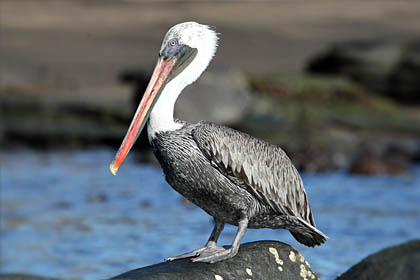
Location: Puerto Egas, Santiago Island, Gal?pagosGPS: -0.2S, -90.9W, elev=27' MAP Date: May 20, 2008 ID : 7C2V1823 [3888 x 2592]
|
Location: Puerto Egas, Santiago Island, Gal?pagosGPS: -0.2S, -90.9W, elev=27' MAP Date: May 20, 2008 ID : 7C2V1824 [3888 x 2592]
|
|
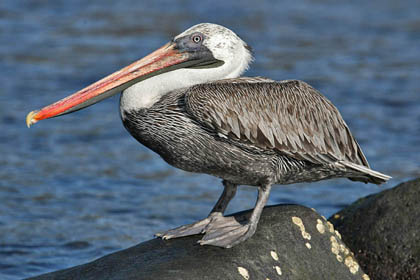
Location: Puerto Egas, Santiago Island, Gal?pagosGPS: -0.2S, -90.9W, elev=27' MAP Date: May 20, 2008 ID : 7C2V1880 [3888 x 2592]
|
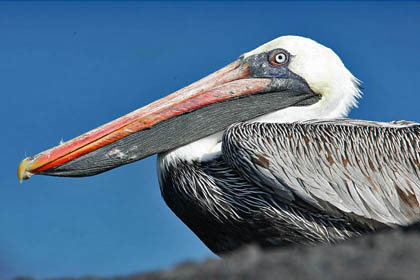
Location: Puerto Egas, Santiago Island, Gal?pagosGPS: -0.2S, -90.9W, elev=27' MAP Date: May 20, 2008 ID : 7C2V1788 [3888 x 2592]
|
|
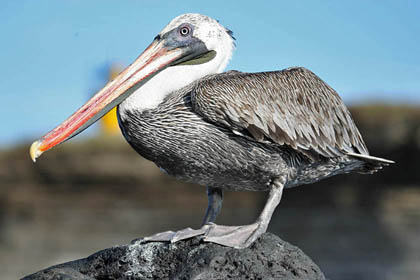
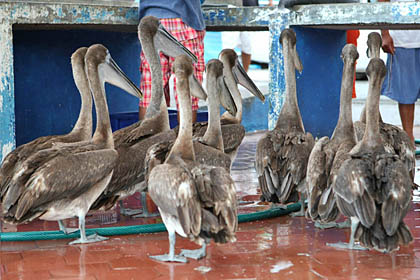
Location: Puerto Ayora, Santa Cruz Island, Gal?pagosGPS: -0.8S, -90.3W, elev=0' MAP Date: May 19, 2008 ID : 7C2V1727 [3888 x 2592]
|
|
SPECIES INFO
The Brown Pelican (Pelecanus occidentalis) is the smallest of the eight species of pelican, although it is a large bird in nearly every other regard. It is 106-137 cm (42-54 in) in length, weighs from 2.75 to 5.5 kg (6-12 lbs) and has a wingspan from 1.83 to 2.5 m (6 to 8.2 ft).
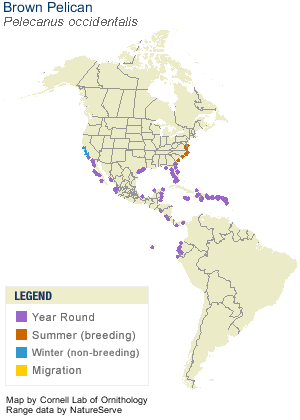
It lives strictly on coasts from Washington and Virginia south to northern Chile and the mouth of the Amazon River. Some immature birds may stray to inland freshwater lakes. After nesting, North American birds move in flocks further north along the coasts, returning to warmer waters for winter.
This bird is distinguished from the American White Pelican by its brown body and its habit of diving for fish from the air, as opposed to co-operative fishing from the surface. It eats mainly herring-like fish. Groups of Brown Pelicans often travel in single file, flying low over the water's surface.
The nest location varies from a simple scrape on the ground on an island to a bulky stick nest in a low tree. These birds nest in colonies, usually on islands.
Pesticides like DDT and dieldrin threatened its future in the southeast United States and California in the early 1970s. Pesticides also threatened the pelican population in Florida in this period. A research group from the University of Tampa headed by Dr. Ralph Schreiber conducted research in the Tampa Bay/St Petersburg area and found that DDT caused the pelican eggshells to be overly-thin and incapable of supporting the embryo to maturity. As a result of this research, DDT usage was eliminated in Florida and the rest of the country.
Along with the American White Pelican, the Brown Pelican is protected by the Migratory Bird Treaty Act of 1918.
There are four subspecies:
P. o. californicus (California Brown Pelican)
P. o. carolinensis (Eastern Brown Pelican)
P. o. occidentalis (Caribbean Brown Pelican)
P. o. thagus (Galapagos Brown Pelican)
The Peruvian Pelican, Pelecanus thagus, used to be considered a subspecies of the Brown Pelican (P. o. thagus). However, due to its well-defined allopatry and because it is much larger and heavier than its relatives, it was reclassified as a separate species.
The Brown Pelican is the state bird of Louisiana.
|
|