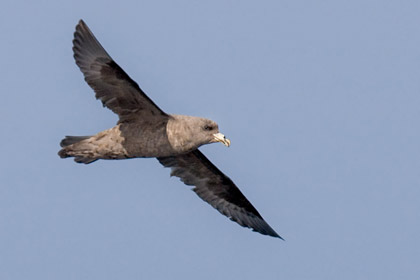
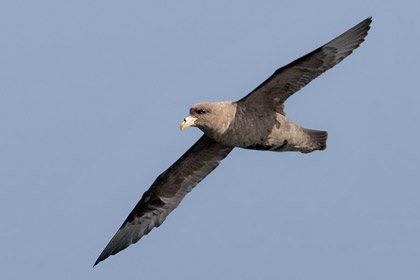
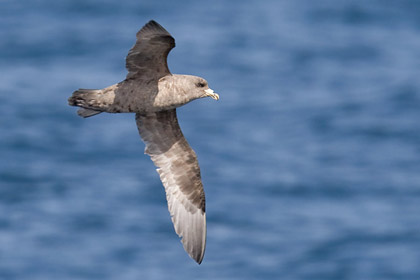
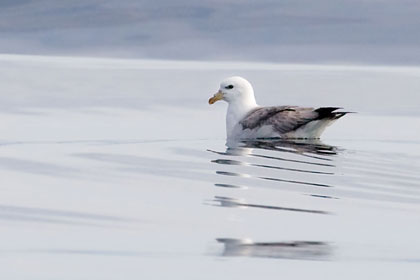
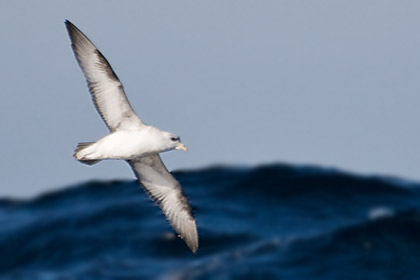
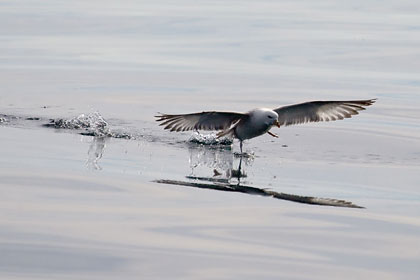
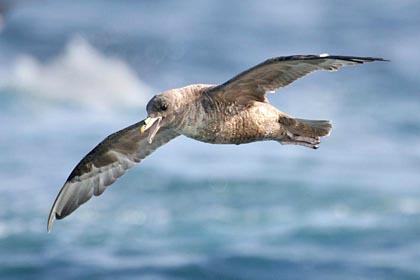
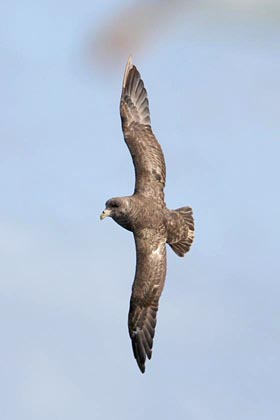
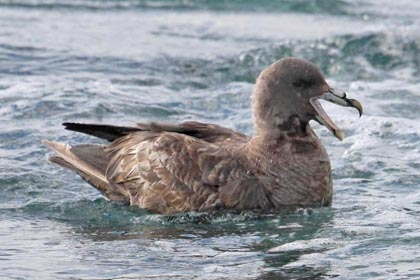
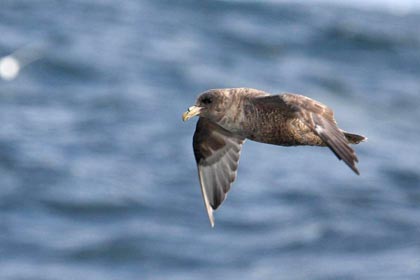
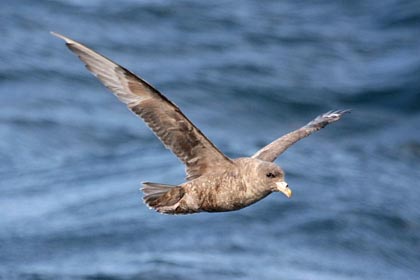
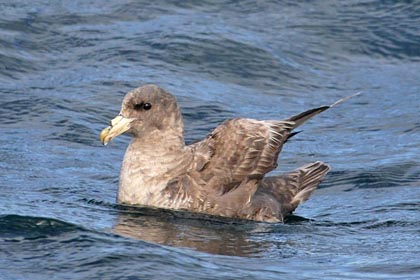
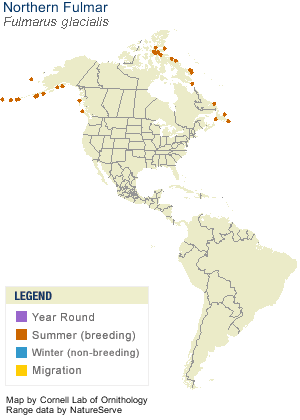
GALLERIES > BIRDS > PROCELLARIIFORMES > PROCELLARIIDAE > NORTHERN FULMAR [Fulmarus glacialis] [plot on map]
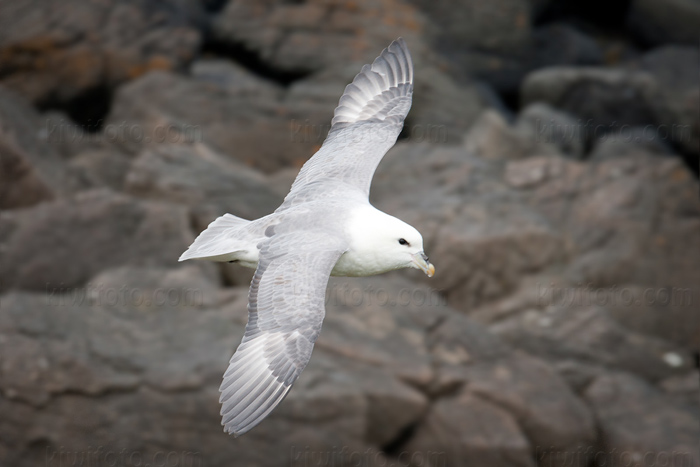
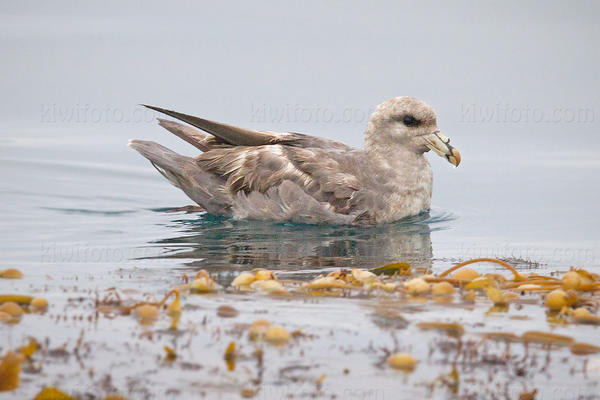
Location: Flatey Island, IcelandGPS: 65.4N, -22.9W, elev=5' MAP Date: June 13, 2018 ID : 7C2V8501 [3888 x 2592]
|
|

|
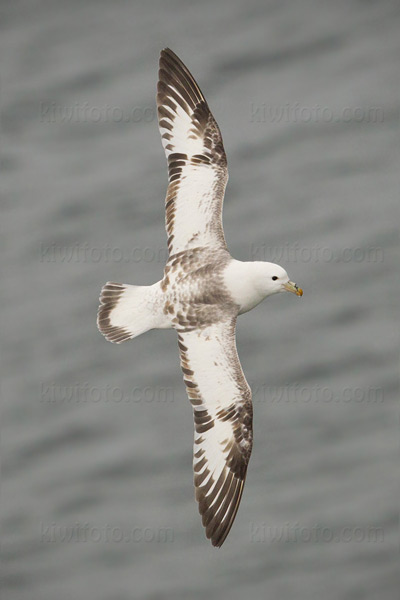
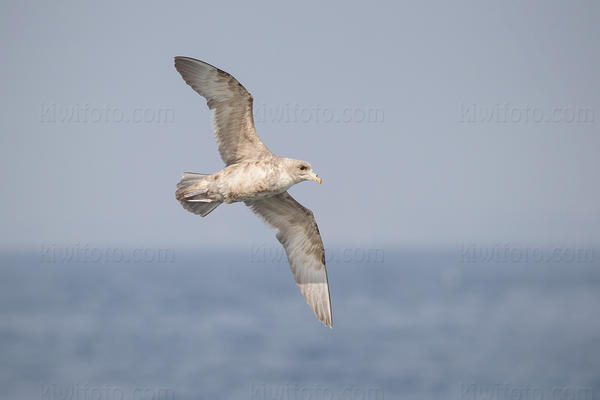
Location: Saint Paul, Pribilof Islands, AKGPS: 57.1N, -170.3W, elev=28' MAP Date: June 1, 2012 ID : B13K8239 [4896 x 3264]
|
|
|
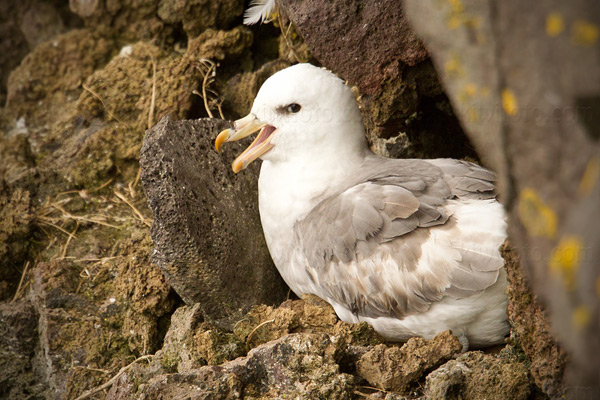
Location: Saint Paul, Pribilof Islands, AKGPS: 57.1N, -170.3W, elev=28' MAP Date: June 1, 2012 ID : B13K8189 [4896 x 3264]
|
|
|
Location: Saint Paul, Pribilof Islands, AKGPS: 57.1N, -170.3W, elev=28' MAP Date: June 1, 2012 ID : B13K8614 [4896 x 3264]
|
|
|
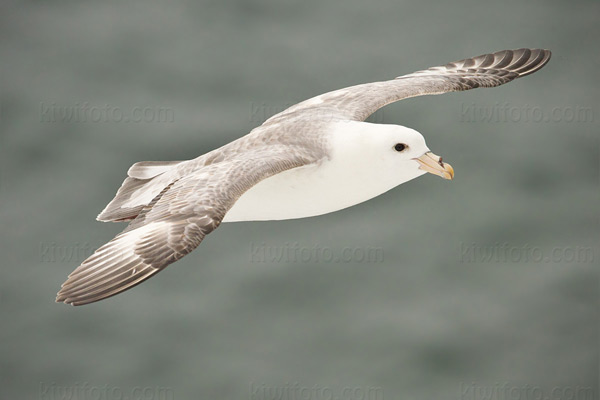
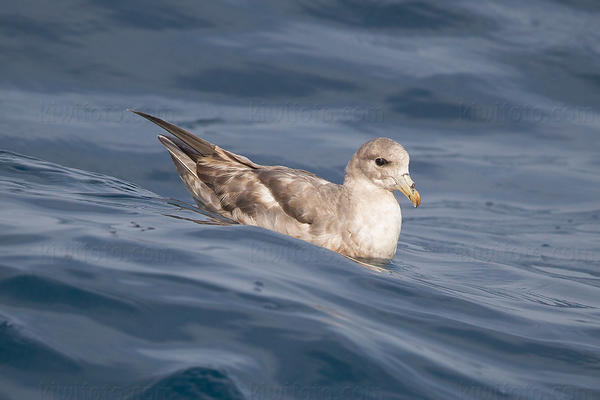
Location: Orange County (pelagic waters), CAGPS: 33.5N, -118.1W, depth=-762' MAP Date: February 28, 2016 ID : B13K0666 [4896 x 3264]
|
|
|
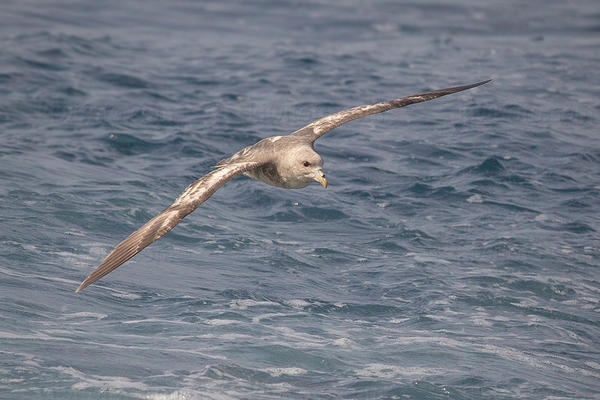
Location: Orange County (pelagic waters), CAGPS: 33.5N, -118.1W, depth=-762' MAP Date: February 28, 2016 ID : B13K0953 [4896 x 3264]
|
|
|
Location: Orange County (pelagic waters), CAGPS: 33.5N, -118.1W, depth=-762' MAP Date: February 28, 2016 ID : B13K0961 [4896 x 3264]
|
|
|
Location: Orange County (pelagic waters), CAGPS: 33.5N, -118.1W, depth=-762' MAP Date: February 28, 2016 ID : B13K0976 [4896 x 3264]
|
|
|
Location: Tijuana (Coronados Islands), MexicoGPS: 32.6N, -117.4W, elev=0' MAP Date: April 4, 2009 ID : 7C2V6585 [3888 x 2592]
|
Location: Tijuana (Coronados Islands), MexicoGPS: 32.6N, -117.4W, elev=0' MAP Date: April 4, 2009 ID : 7C2V6663 [3888 x 2592]
|
|
Location: Tijuana (Coronados Islands), MexicoGPS: 32.6N, -117.4W, elev=0' MAP Date: April 4, 2009 ID : 7C2V6633 [3888 x 2592]
|
Location: Santa Barbara Channel, CAGPS: 34.2N, -120.8W, depth=-2,544' MAP Date: March 1, 2009 ID : 7C2V5260 [3888 x 2592]
|
|
Location: Monterey Bay (Pelagic Trip), CAGPS: 36.7N, -122.3W, depth=-3,647' MAP Date: October 11, 2008 ID : 7C2V9976 [3888 x 2592]
|
Location: Santa Barbara Channel, CAGPS: 34.2N, -120.8W, depth=-2,544' MAP Date: March 1, 2009 ID : 7C2V5254 [3888 x 2592]
|
|
Location: Tijuana (Coronado Islands), MexicoGPS: 32.4N, -117.2W, elev=0' MAP Date: March 15, 2008 ID : 6028 [3888 x 2592]
|
Location: Tijuana (Coronado Islands), MexicoGPS: 32.4N, -117.2W, elev=0' MAP Date: March 15, 2008 ID : 6009 [3888 x 2592]
|
|
Location: Tijuana (Coronado Islands), MexicoGPS: 32.4N, -117.2W, elev=0' MAP Date: March 15, 2008 ID : 5933 [3888 x 2592]
|
Location: Tijuana (Coronado Islands), MexicoGPS: 32.4N, -117.2W, elev=0' MAP Date: March 15, 2008 ID : 5961 [3888 x 2592]
|
|
Location: Tijuana (Coronado Islands), MexicoGPS: 32.4N, -117.2W, elev=0' MAP Date: March 15, 2008 ID : 5981 [3888 x 2592]
|
Location: Tijuana (Coronado Islands), MexicoGPS: 32.4N, -117.2W, elev=0' MAP Date: March 15, 2008 ID : 5985 [3888 x 2592]
|
|
Location: Tijuana (Coronado Islands), MexicoGPS: 32.4N, -117.2W, elev=0' MAP Date: March 15, 2008 ID : 6021 [3888 x 2592]
|
Location: Tijuana (Coronado Islands), MexicoGPS: 32.4N, -117.2W, elev=0' MAP Date: March 15, 2008 ID : 6065 [3888 x 2592]
|
|
Location: Tijuana (Coronado Islands), MexicoGPS: 32.4N, -117.2W, elev=0' MAP Date: March 15, 2008 ID : 6108 [3888 x 2592]
|
Location: Tijuana (Coronado Islands), MexicoGPS: 32.4N, -117.2W, elev=0' MAP Date: March 15, 2008 ID : 6123 [3888 x 2592]
|
|
Location: Tijuana (Coronado Islands), MexicoGPS: 32.4N, -117.2W, elev=0' MAP Date: March 15, 2008 ID : 6229 [3888 x 2592]
|
Location: Tijuana (Coronado Islands), MexicoGPS: 32.4N, -117.2W, elev=0' MAP Date: March 15, 2008 ID : 6231 [3888 x 2592]
|
|
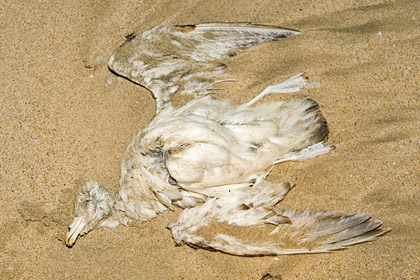
Location: El Segundo (Dockweiler State Beach), CAGPS: 33.9N, -118.4W, elev=14' MAP Date: April 13, 2009 ID : 7C2V7147 [3888 x 2592]
|
|
SPECIES INFO
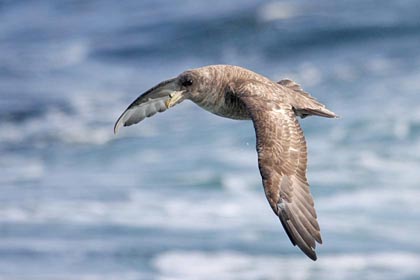
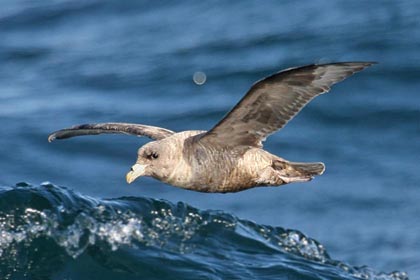
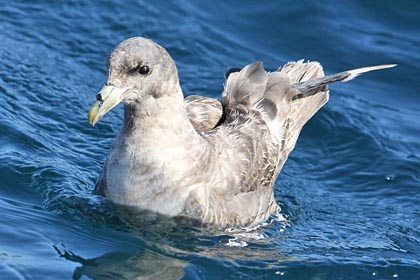
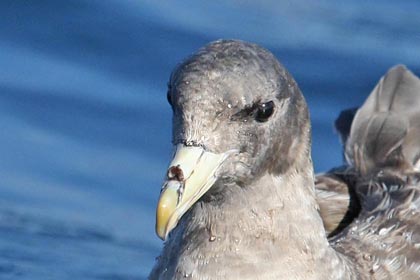
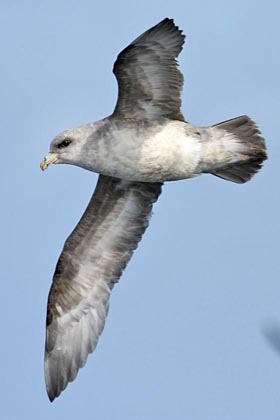
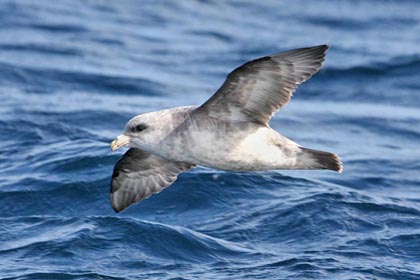
The Northern Fulmar (Fulmarus glacialis), or Arctic Fulmar lives in the north Atlantic and north Pacific. These fulmars look superficially like gulls, but are unrelated, and are in fact petrels. The species is grey and white with a yellow bill, 43-52 cm in length with a 101-117 cm wingspan. The Northern Fulmar has both a light morph and dark morph plumage.
The Northern Fulmar breeds on cliffs, laying a single white egg. Unlike many small to medium birds in the Procellariiformes they are neither nocturnal breeders, nor do they use burrows; their eggs are laid on the bare rock or in shallow depressions lined with plant material. Nesting birds and chicks can eject an evil smelling stomach oil up to 2 m, which repels unwanted visitors. It will matt the plumage of avian predators, and can lead to their death. Northern Fulmars historically bred on St. Kilda, and spread into northern Scotland in the 19th century, and to the rest of the United Kingdom by 1930. For example, establishment of colonies at the Fowlsheugh Reserve in Scotland was one of the first areas to be developed for new permanent Fulmar breeding areas. This bird is a highly colonial nester.
They are highly pelagic outside the breeding season, like most tubenoses, feeding on fish, oil or offal. Recent studies in the North Sea have shown them especially susceptible to plastic discards. The range of these species increased greatly last century due to the availability of fish offal from commercial fleets, but may contract because of less food from this source and climatic change. The population increase has been especially notable in the British Isles.
Like other petrels, their walking ability is limited, but they are strong fliers, with a stiff wing action quite unlike the gulls. They look bull-necked compared to gulls, and have short stubby bills. They are long-lived, with a lifespan of 40 years not uncommon.
The Sibley-Ahlquist taxonomy gives a radically different scientific arrangement for this group based on DNA studies.
|
|