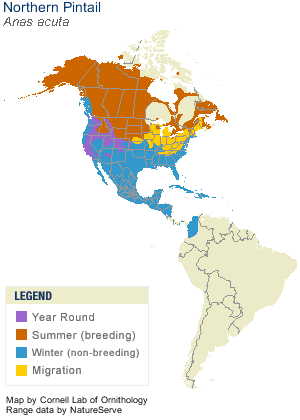
GALLERIES > BIRDS > ANSERIFORMES > ANATIDAE > NORTHERN PINTAIL [Anas acuta] [plot on map]
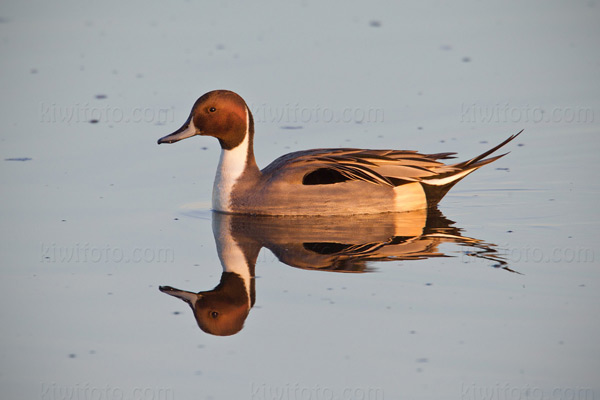
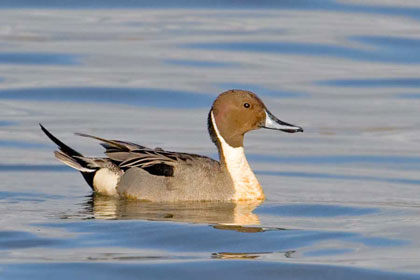
Location: Ueno Park, Taito City, Tokyo, JapanGPS: 35.7N, 139.8E, elev=22' MAP Date: February 19, 2025 ID : B13K8821 [4896 x 3264]
|
|

|
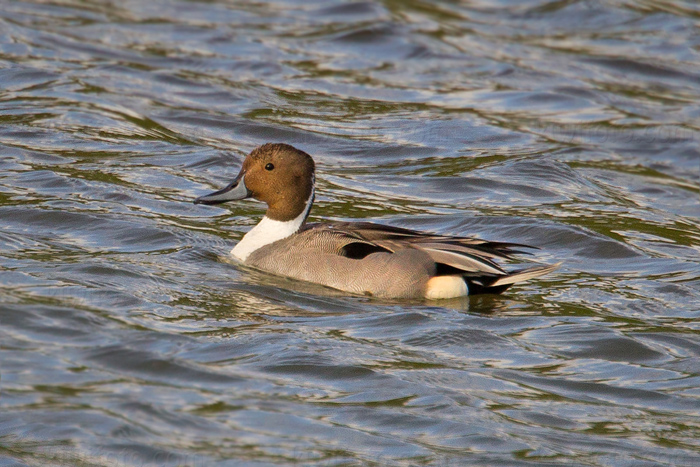
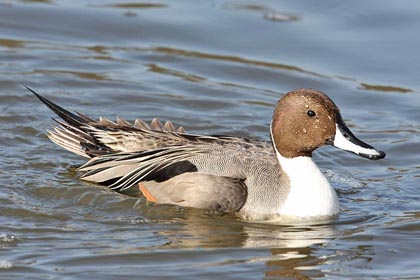
Location: Ueno Park, Taito City, Tokyo, JapanGPS: 35.7N, 139.8E, elev=22' MAP Date: February 19, 2025 ID : B13K8835 [4896 x 3264]
|
|
|
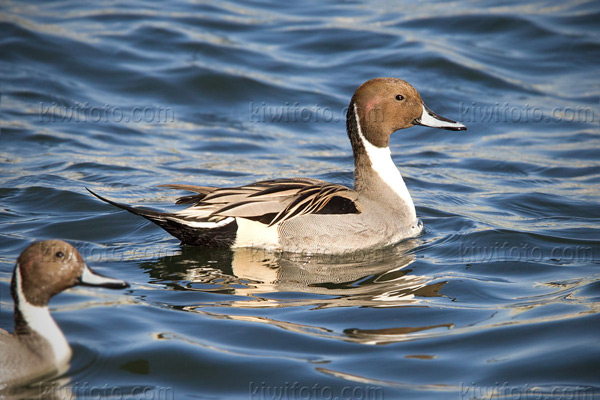
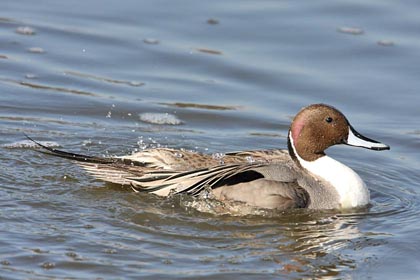
Location: Ueno Park, Taito City, Tokyo, JapanGPS: 35.7N, 139.8E, elev=22' MAP Date: February 19, 2025 ID : B13K8779 [4896 x 3264]
|
|
|
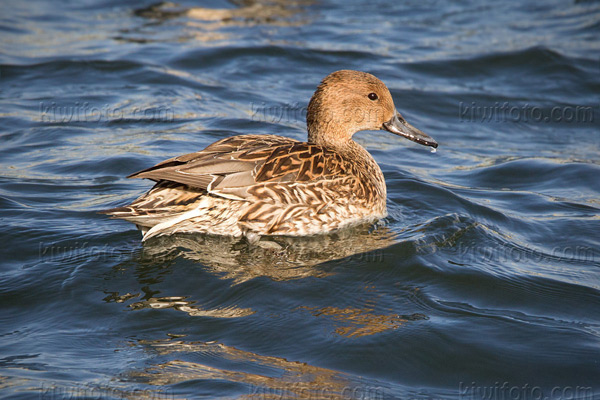
Location: Colusa NWR, CaliforniaGPS: 39.2N, -122.0W, elev=44' MAP Date: December 9, 2012 ID : B13K0742 [4896 x 3264]
|
|
|
Location: Lake Myvatn, IcelandGPS: 65.6N, -17.0W, elev=918' MAP Date: June 17, 2018 ID : B13K7317 [4896 x 3264]
|
|
|
Location: Tokyo, JapanGPS: 35.7N, 139.8E, elev=5' MAP Date: January 15, 2011 ID : B13K6976 [4896 x 3264]
|
|
|
Location: Tokyo, JapanGPS: 35.7N, 139.8E, elev=5' MAP Date: January 15, 2011 ID : B13K6982 [4896 x 3264]
|
|
|
Location: Huntington Beach (Bolsa Chica Lagoon), CAGPS: 33.7N, -118.1W, elev=27' MAP Date: February 8, 2009 ID : 7C2V4461 [3888 x 2592]
|
Location: Newport Back Bay, CAGPS: 33.6N, -117.9W, elev=4' MAP Date: February 2, 2008 ID : 3054 [3888 x 2592]
|
|
Location: Newport Back Bay, CAGPS: 33.6N, -117.9W, elev=4' MAP Date: February 2, 2008 ID : 3057 [3888 x 2592]
|
Location: Playa del Rey (Ballona Creek), CAGPS: 34.0N, -118.4W, elev=0' MAP Date: September 17, 2007 ID : 1118 [3888 x 2592]
|
|
SPECIES INFO
The Pintail or Northern Pintail (Anas acuta) is a common and widespread duck which breeds in the northern areas of Europe and Asia and across most of Canada, Alaska and the mid-western United States.
This dabbling duck is strongly migratory and winters further south than its breeding range, as far as the equator. It is highly gregarious outside the breeding season and forms large mixed flocks with other ducks. In the main Hawaiian Islands, a few hundred Koloa mapu winter in shallow wetlands and flooded agricultural habitats. In Kenya they frequent permanent waters, wintering in large numbers on the Rift Valley lakes and in the C and W highlands.
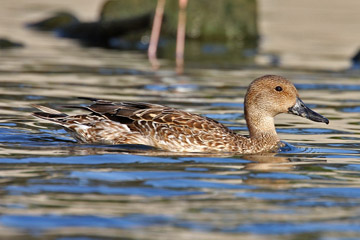
The breeding male is unmistakable. It has a pale grey body, white breast and lateral neck stripe, and dark brown head. The vent region is buff and black, and it has the long pointed tail that gives the species its English and scientific names. The female is light brown with a whiter throat, and its pointed tail is shorter, but it is still easily identified by its shape, long neck, and long all grey bill. In non-breeding (eclipse) plumage, the drake Pintail looks more like the female. The species is fairly large for a duck, but is light for its size; males range from 65 to 75 cm in length, while females are smaller at 50 to 55 cm.
The Northern Pintails is a bird of open wetlands, such as wet grassland or tundra, and feeds by dabbling for plant food mainly in the evening or at night. During the nesting season, this bird also eats aquatic insects, mollusks and crustaceans. It sometimes feeds on grasses and seeds in fields. The nest is a shallow scrape on the ground lined with plant material and down, in a dry location that may be fairly far from water.
Courtship often includes aerial pursuit of a single female by several males.
The male has a Teal-like whistle, whereas the female has a Mallard-like quack.
The closely related Eaton's Pintail was once considered to be island races of this species: A. eatoni eatoni (Kerguelen Island Pintail), of Kerguelen Island, and A. e. drygalskyi (Crozet Pintail), of Crozet Island. In both, the males do not develop the full breeding plumage.
This is a scarce breeding species in Great Britain, where it breeds at a few scattered sites. Favourite areas are the Scottish Highlands, Galloway, East Anglia and Kent. It is more common as a winter visitor, when birds from Siberia winter in England and Wales
Threats to the Northern Pintail include avian disease and loss of wetland habitat to development, pollution, and invasive plants.
The Northern Pintail is one of the species to which the Agreement on the Conservation of African-Eurasian Migratory Waterbirds (AEWA) applies.
Its earlier scientific name was Dafila acuta.
|
|