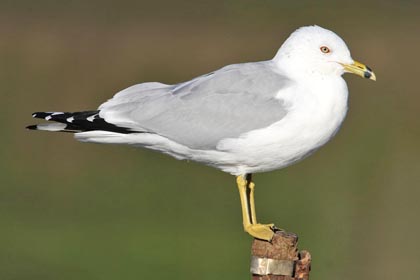
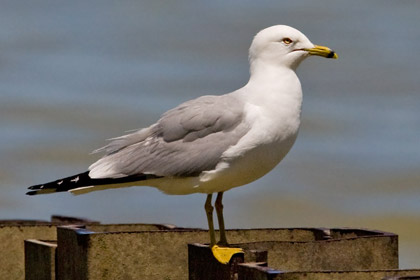
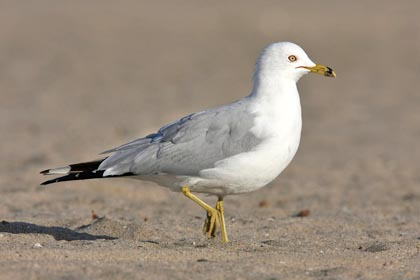
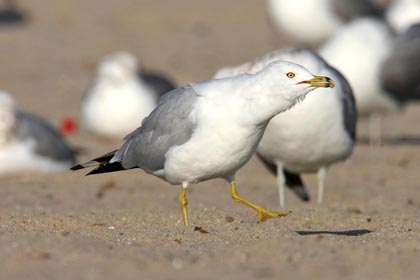
GALLERIES > BIRDS > CHARADRIIFORMES > LARIDAE > RING-BILLED GULL [Larus delawarensis] [plot on map]
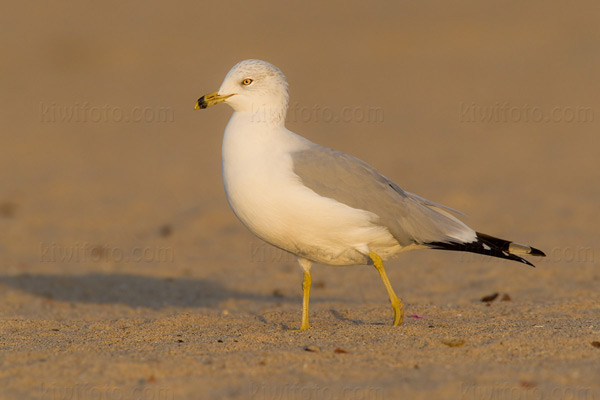
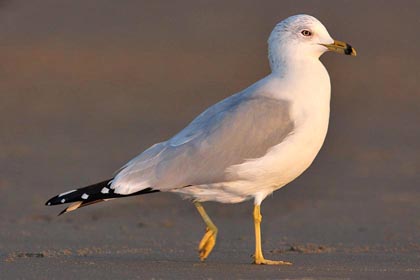
Location: Playa del Rey (Ballona Creek), CAGPS: 34.0N, -118.4W, elev=0' MAP Date: December 11, 2011 ID : B13K0681 [4896 x 3264]
|
|

|
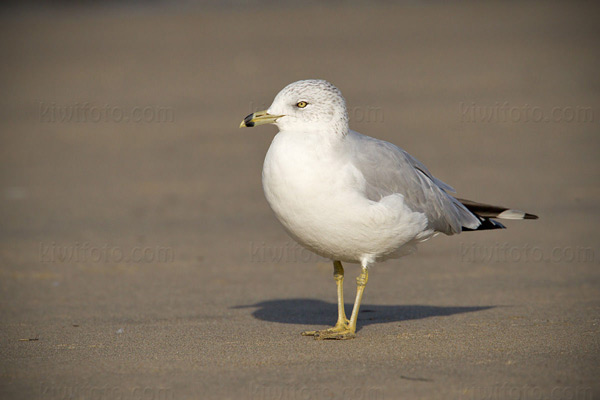
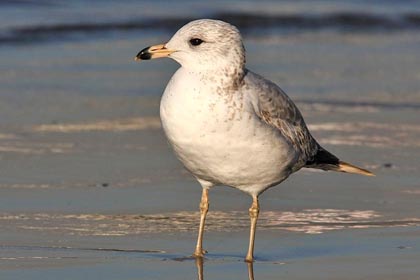
Location: San Pedro (Cabrillo Beach), CAGPS: 33.7N, -118.3W, elev=5' MAP Date: November 9, 2011 ID : B13K9836 [4896 x 3264]
|
|
|
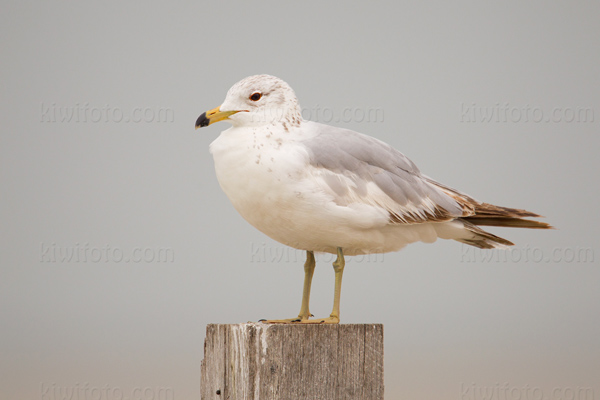
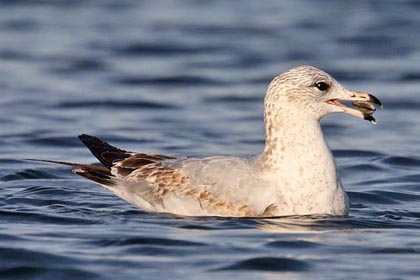
Location: Huron, OHGPS: 41.4N, -82.6W, elev=575' MAP Date: May 14, 2017 ID : B13K5237 [4896 x 3264]
|
|
|
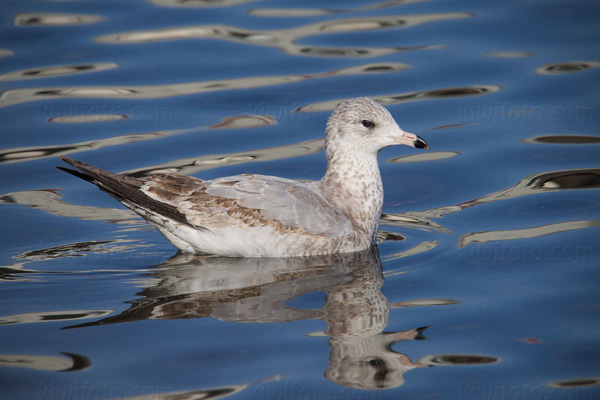
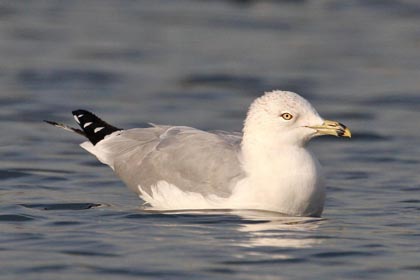
Location: Playa del Rey (Del Rey Lagoon), CAGPS: 34.0N, -118.5W, elev=3' MAP Date: November 13, 2011 ID : B13K9994 [4896 x 3264]
|
|
|
Location: Playa del Rey (Del Rey Lagoon), CAGPS: 34.0N, -118.5W, elev=3' MAP Date: November 13, 2011 ID : B13K9998 [4896 x 3264]
|
|
|
Location: Bryan Beach, TXGPS: 28.9N, -95.4W, elev=0' MAP Date: August 30, 2009 ID : 7C2V3504 [3888 x 2592]
|
Location: Manhattan Beach, CAGPS: 33.9N, -118.4W, elev=16' MAP Date: March 11, 2010 ID : 7C2V3905 [3888 x 2592]
|
|
Location: Bryan Beach, TXGPS: 28.9N, -95.4W, elev=0' MAP Date: August 30, 2009 ID : 7C2V3502 [3888 x 2592]
|
Location: Playa del Rey (Ballona Creek), CAGPS: 34.0N, -118.4W, elev=0' MAP Date: February 26, 2008 ID : 4767 [3888 x 2592]
|
|
Location: Magee Marsh (Crane Creek), OHGPS: 41.6N, -83.2W, elev=573' MAP Date: May 31, 2009 ID : 7C2V8680 [3888 x 2592]
|
Location: Playa del Rey (Ballona Creek), CAGPS: 34.0N, -118.4W, elev=0' MAP Date: March 5, 2008 ID : 5203 [3888 x 2592]
|
|
Location: Playa del Rey (Ballona Creek), CAGPS: 34.0N, -118.4W, elev=0' MAP Date: March 5, 2008 ID : 5248 [3888 x 2592]
|
Location: Playa del Rey (Ballona Creek), CAGPS: 34.0N, -118.4W, elev=0' MAP Date: March 5, 2008 ID : 5258 [3888 x 2592]
|
|
Location: Playa del Rey (Ballona Creek), CAGPS: 34.0N, -118.4W, elev=0' MAP Date: March 18, 2008 ID : 6702 [3888 x 2592]
|
Location: Playa del Rey (Ballona Creek), CAGPS: 34.0N, -118.4W, elev=0' MAP Date: February 26, 2008 ID : 4767 [3888 x 2592]
|
|
Location: Playa del Rey (Ballona Creek), CAGPS: 34.0N, -118.4W, elev=0' MAP Date: February 26, 2008 ID : 4770 [3888 x 2592]
|
Location: Playa del Rey (Ballona Creek), CAGPS: 34.0N, -118.4W, elev=0' MAP Date: January 9, 2008 ID : 2071 [3888 x 2592]
|
|
Location: Playa del Rey (Ballona Creek), CAGPS: 34.0N, -118.4W, elev=0' MAP Date: February 6, 2008 ID : 3127 [3888 x 2592]
|
Location: Playa del Rey (Ballona Creek), CAGPS: 34.0N, -118.4W, elev=0' MAP Date: December 30, 2007 ID : 0425 [3888 x 2592]
|
|
Location: Playa del Rey (Ballona Creek), CAGPS: 34.0N, -118.4W, elev=0' MAP Date: January 2, 2008 ID : 1610 [3888 x 2592]
|
Location: Playa del Rey (Ballona Creek), CAGPS: 34.0N, -118.4W, elev=0' MAP Date: January 2, 2008 ID : 1608 [3888 x 2592]
|
|
SPECIES INFO
The Ring-billed Gull (Larus delawarensis) is a medium-sized gull.
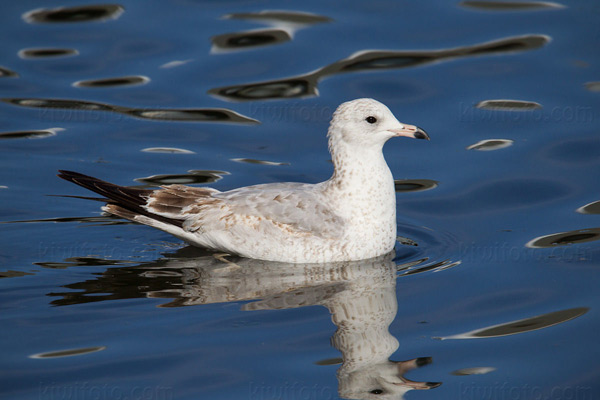
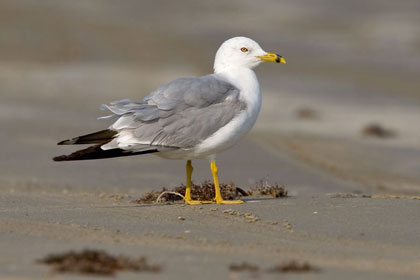
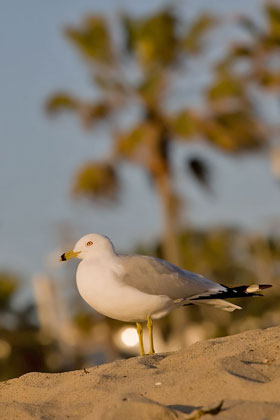
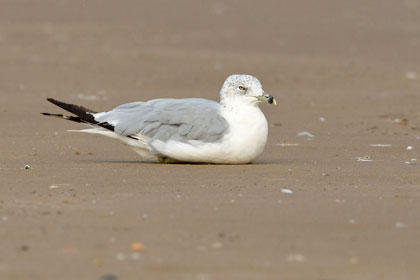
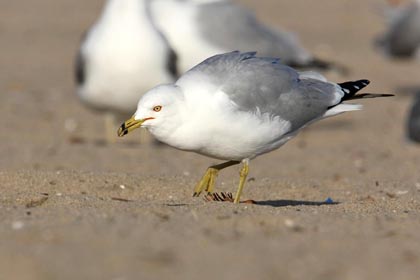
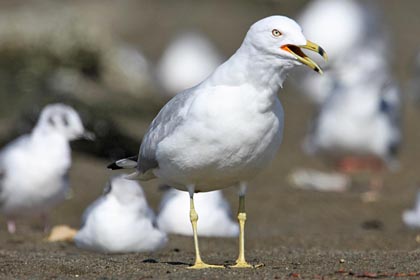
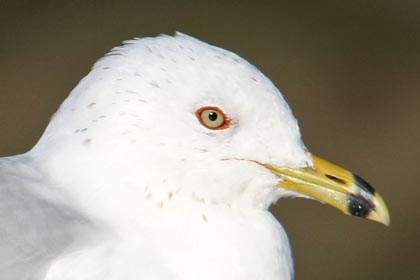
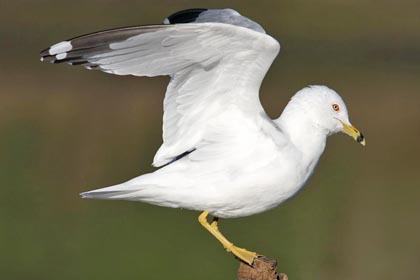
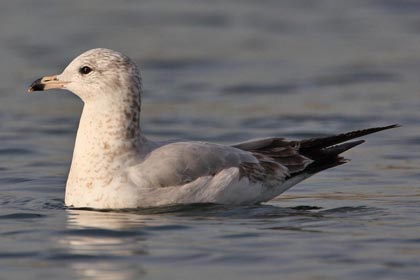
Adults are 49 cm length and with a 124 cm wingspan. They have a white head, neck and underparts and a relatively short, yellow bill with a dark ring. The back and wings are silver grey and they have yellow legs. Their eyes are yellow. This bird takes three years to reach its breeding plumage; its appearance changes with each fall molt.
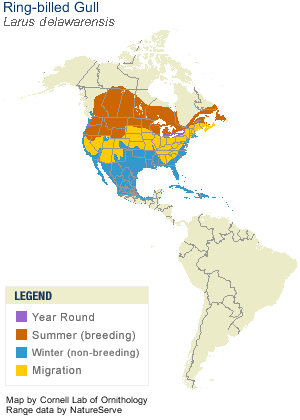
Their breeding habitat is near lakes, rivers or the coast in Canada and the northern United States. They nest colonially on the ground, often on islands. This bird tends to be faithful to its nesting site, if not its mate, from year to year.
They are migratory and most move south to the Gulf of Mexico and the Atlantic and Pacific coasts of North America, also the Great Lakes.
This gull is a regular wanderer to western Europe, and in Ireland and Great Britain it is no longer classed as a rarity, with several birds regularly wintering in these countries.
These birds forage in flight or pick up objects while swimming, walking or wading. They also steal food from other birds and frequently scavenge. They are omnivorous; their diet may include insects, fish, grain, eggs, earthworms and rodents. These birds are opportunistic and have adapted well to taking food discarded or even left unattended by people.
In the late 19th century, this bird was hunted for its plumage. Its population has since rebounded and it is probably the most common gull in North America. In some areas, it is displacing less aggressive birds such as the Common Tern.
|
|