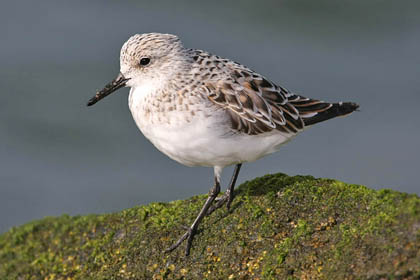
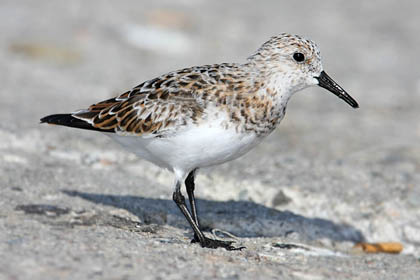
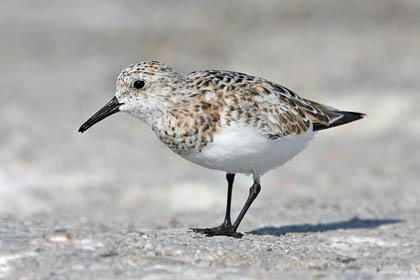
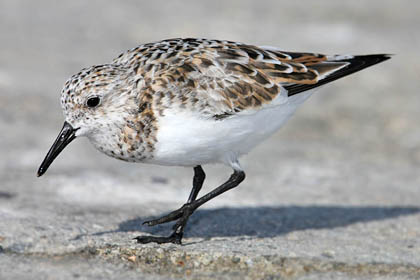
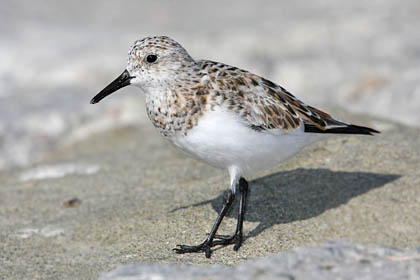
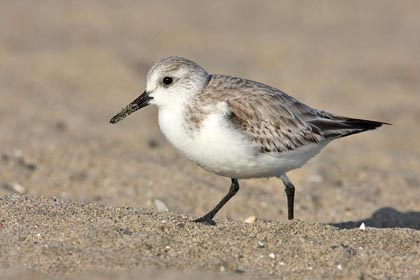
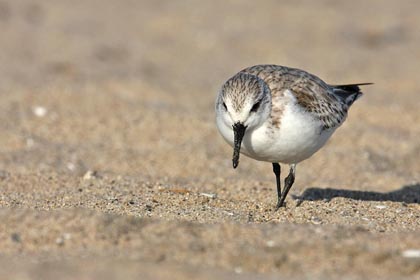
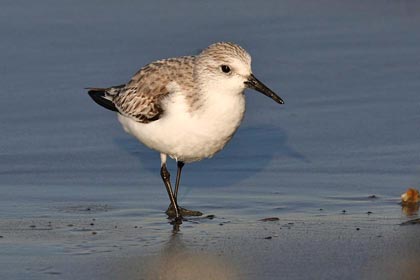
GALLERIES > BIRDS > CHARADRIIFORMES > SCOLOPACIDAE > SANDERLING [Calidris alba] [plot on map]
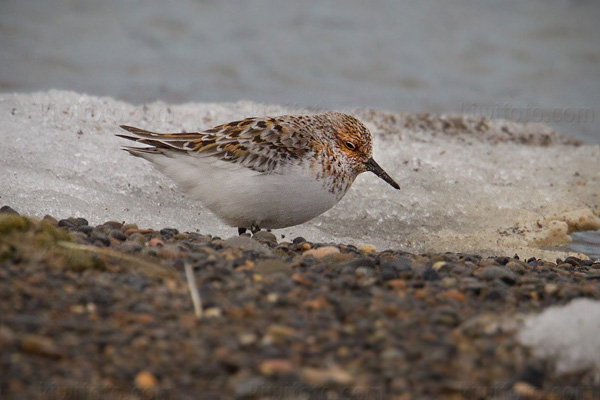
Location: Barrow, AKGPS: 71.2N, -156.3W, elev=24' MAP Date: June 8, 2012 ID : B13K0116 [4896 x 3264]
|
|

|
Location: Los Angeles, CAGPS: 34.1N, -118.2W, elev=281' MAP Date: March 4, 2017 ID : B13K2556 [4896 x 3264]
|
|
|
Location: Playa del Rey (Dockweiler State Beach), CAGPS: 33.9N, -118.4W, elev=14' MAP Date: April 26, 2014 ID : B13K6183 [4896 x 3264]
|
|
|
Location: Playa del Rey (Dockweiler State Beach), CAGPS: 33.9N, -118.4W, elev=14' MAP Date: April 26, 2014 ID : B13K6103 [4896 x 3264]
|
|
|
Location: Newbiggin-by-the-Sea, Northumberlands, United KingdomGPS: 55.2N, -1.5W, elev=7' MAP Date: December 30, 2011 ID : B13K1975 [4896 x 3264]
|
|
|
Location: Salt Creek, Salton Sea, CAGPS: 33.4N, -115.8W, elev=-225' MAP Date: April 6, 2016 ID : B13K1395 [4896 x 3264]
|
|
|
Location: Kealia Ponds, Maui, HawaiiGPS: 20.8N, -156.5W, elev=170' MAP Date: October 21, 2015 ID : B13K9432 [4896 x 3264]
|
|
|
Location: Dockweiler Beach, CAGPS: 33.9N, -118.4W, elev=16' MAP Date: November 13, 2011 ID : B13K0004 [4896 x 3264]
|
|
|
Location: Playa del Rey (Ballona Creek), CAGPS: 34.0N, -118.4W, elev=0' MAP Date: April 25, 2011 ID : B13K7839 [4896 x 3264]
|
|
|
Location: Playa del Rey (Ballona Creek), CAGPS: 34.0N, -118.4W, elev=0' MAP Date: April 25, 2011 ID : B13K7834 [4896 x 3264]
|
|
|
Location: Playa del Rey (Ballona Creek), CAGPS: 34.0N, -118.4W, elev=0' MAP Date: April 25, 2011 ID : B13K7867 [4896 x 3264]
|
|
|
Location: Pak Thale, Phetchaburi, ThailandGPS: 13.1N, 100.1E, elev=3' MAP Date: January 13, 2011 ID : B13K6559 [4896 x 3264]
|
|
|
Location: Provincetown (Cape Cod), MAGPS: 42.1N, -70.2W, elev=27' MAP Date: September 22, 2010 ID : 7C2V2981 [3888 x 2592]
|
|
|
Location: Provincetown (Cape Cod), MAGPS: 42.1N, -70.2W, elev=27' MAP Date: September 22, 2010 ID : 7C2V2986 [3888 x 2592]
|
|
|
Location: Goleta, CA (Coal Oil Point Reserve)GPS: 34.4N, -119.9W, elev=0' MAP Date: July 13, 2009 ID : 7C2V9999 [3888 x 2592]
|
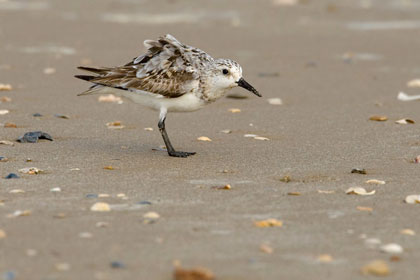
Location: Bolivar Flats, TXGPS: 29.4N, -94.7W, elev=1' MAP Date: August 28, 2009 ID : 7C2V2544 [3888 x 2592]
|
|
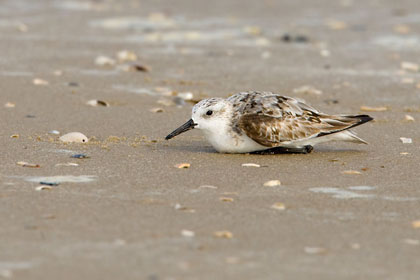
Location: Bolivar Flats, TXGPS: 29.4N, -94.7W, elev=1' MAP Date: August 31, 2009 ID : 7C2V3827 [3888 x 2592]
|
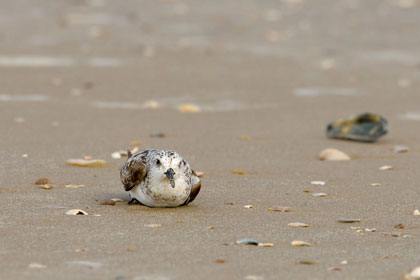
Location: Bolivar Flats, TXGPS: 29.4N, -94.7W, elev=1' MAP Date: August 31, 2009 ID : 7C2V3826 [3888 x 2592]
|
|
Location: Bolivar Flats, TXGPS: 29.4N, -94.7W, elev=1' MAP Date: August 31, 2009 ID : 7C2V3833 [3888 x 2592]
|
Location: Playa del Rey (Ballona Creek), CAGPS: 34.0N, -118.4W, elev=0' MAP Date: April 21, 2008 ID : 8575 [3888 x 2592]
|
|
Location: Playa del Rey (Ballona Creek), CAGPS: 34.0N, -118.4W, elev=0' MAP Date: April 21, 2008 ID : 8578 [3888 x 2592]
|
Location: Playa del Rey (Ballona Creek), CAGPS: 34.0N, -118.4W, elev=0' MAP Date: April 21, 2008 ID : 8582 [3888 x 2592]
|
|
Location: Playa del Rey (Ballona Creek), CAGPS: 34.0N, -118.4W, elev=0' MAP Date: April 21, 2008 ID : 8601 [3888 x 2592]
|
Location: Playa del Rey (Ballona Creek), CAGPS: 34.0N, -118.4W, elev=0' MAP Date: April 21, 2008 ID : 8607 [3888 x 2592]
|
|
Location: Playa del Rey (Ballona Creek), CAGPS: 34.0N, -118.4W, elev=0' MAP Date: April 21, 2008 ID : 8616 [3888 x 2592]
|
Location: Playa del Rey (Ballona Creek), CAGPS: 34.0N, -118.4W, elev=0' MAP Date: March 5, 2008 ID : 5235 [3888 x 2592]
|
|
Location: Playa del Rey (Ballona Creek), CAGPS: 34.0N, -118.4W, elev=0' MAP Date: March 5, 2008 ID : 5234 [3888 x 2592]
|
Location: Playa del Rey (Ballona Creek), CAGPS: 34.0N, -118.4W, elev=0' MAP Date: February 6, 2008 ID : 3109 [3888 x 2592]
|
|
Location: Playa del Rey (Ballona Creek), CAGPS: 34.0N, -118.4W, elev=0' MAP Date: January 9, 2008 ID : 2002 [3888 x 2592]
|
|
SPECIES INFO
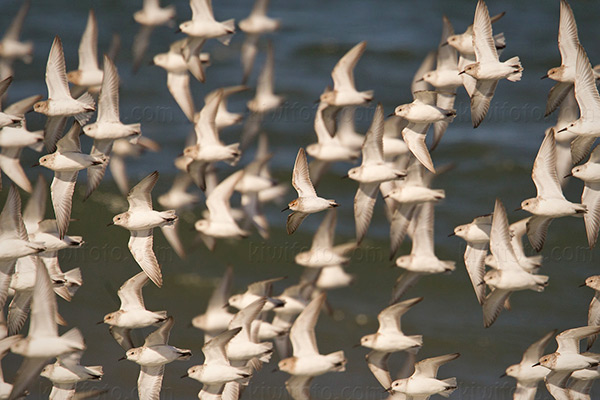
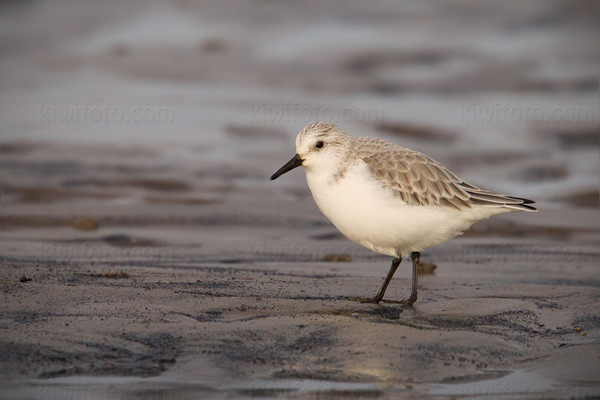
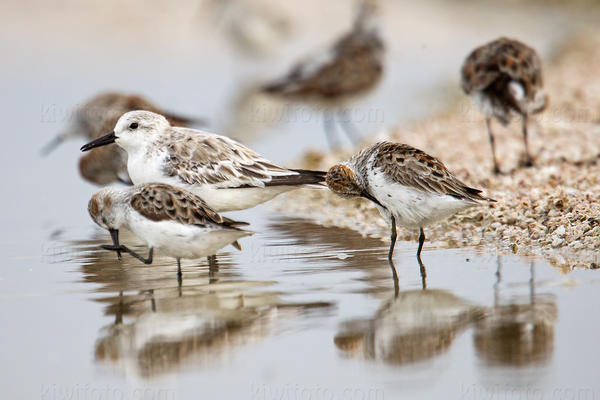
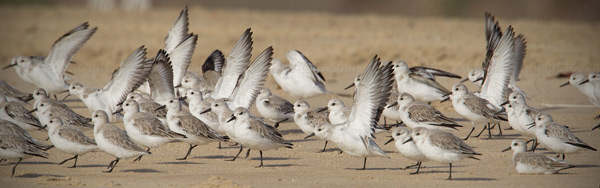
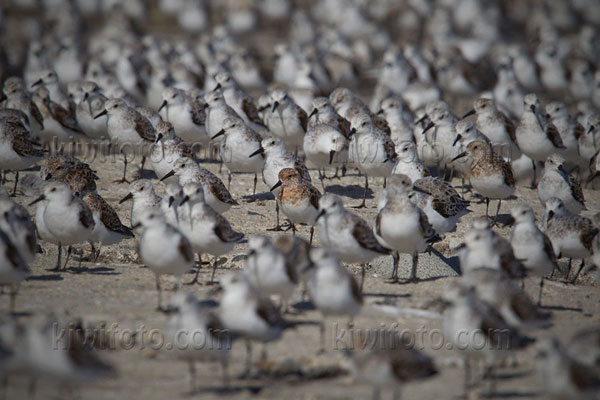
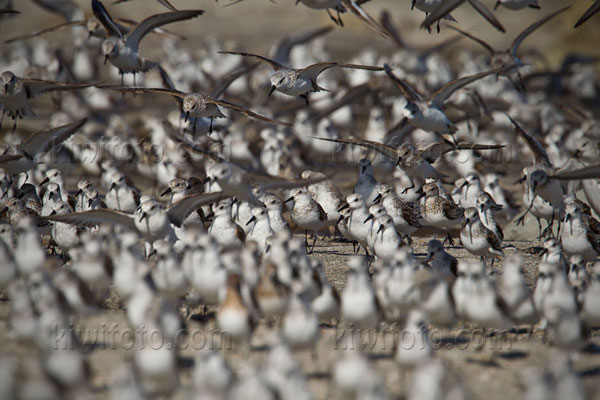
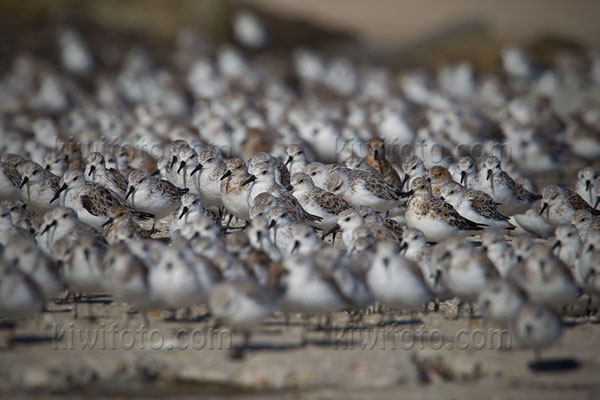
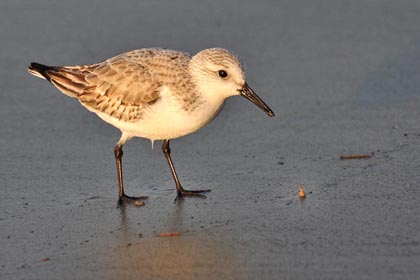
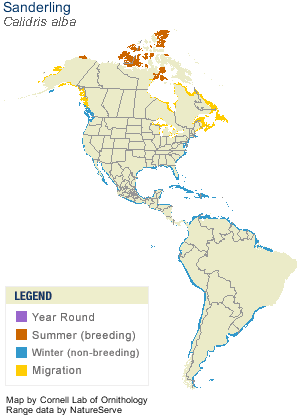
The Sanderling (Calidris alba, syn. Crocethia alba or Erolia alba) is a small wader. It is a circumpolar Arctic breeder, and is a long-distance migrant, wintering south to South America, South Europe, Africa, and Australia. It is highly gregarious in winter, sometimes forming large flocks on coastal mudflats or sandy beaches.
It is somewhat unlike other sandpipers in appearance, which has led to the suggestion that it should be placed into a monotypic genus Crocethia. A more recent review (Thomas et al., 2004) indicates, however, that the sanderling is a fairly typical "stint" or small sandpiper and should be separated from the large knots with its closest relatives in a distinct genus.
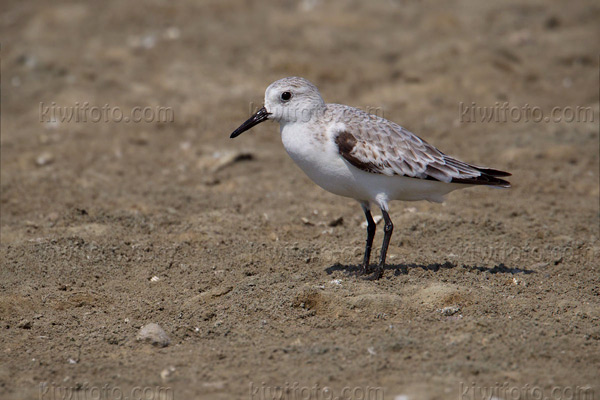
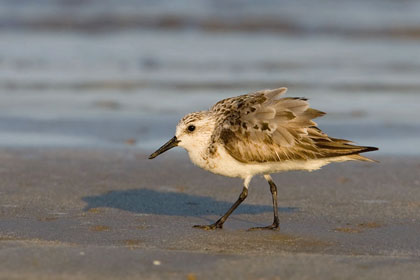
This bird is similar in size to a Dunlin, but stouter, with a thick bill. It shows a strong white wingbar in flight, and runs along the sandy beaches it prefers with a characteristic "bicycling" action, stopping frequently to pick small food items. It eats small crabs and other small invertebrates. In spring, birds migrating north from South America consume large numbers of horseshoe crab eggs in the Delaware Bay area.
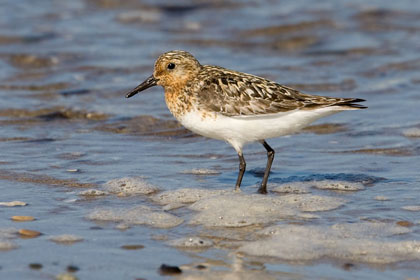
In spring, the birds arrival on the High Arctic breeding grounds (see map), where they lay 3-4 eggs in a ground scrape. Later in the summer, the face and throat become brick-red. On the nesting grounds, these birds mainly eat insects and some plant material.
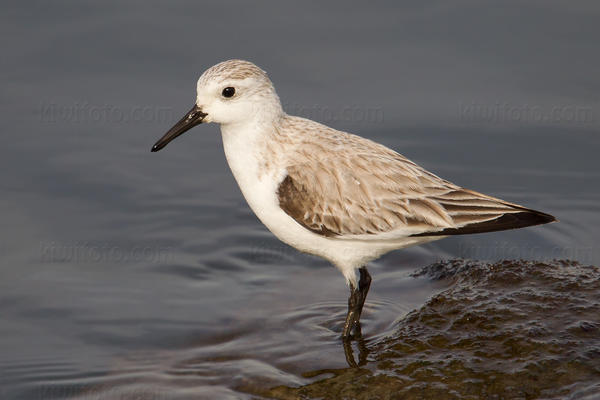
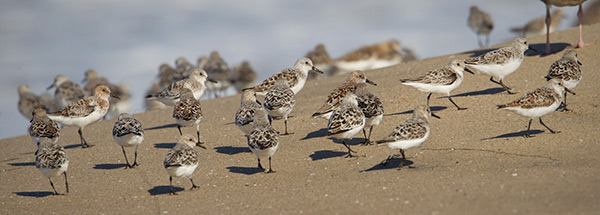
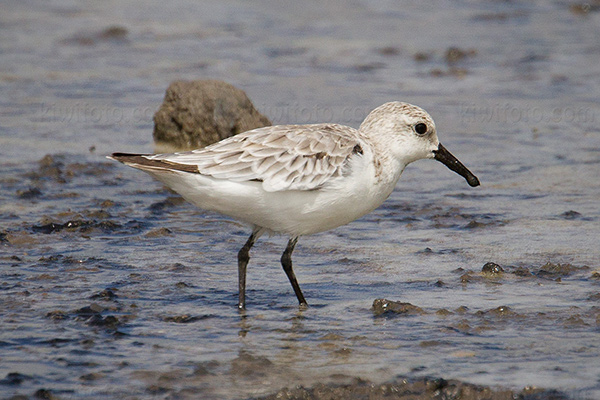
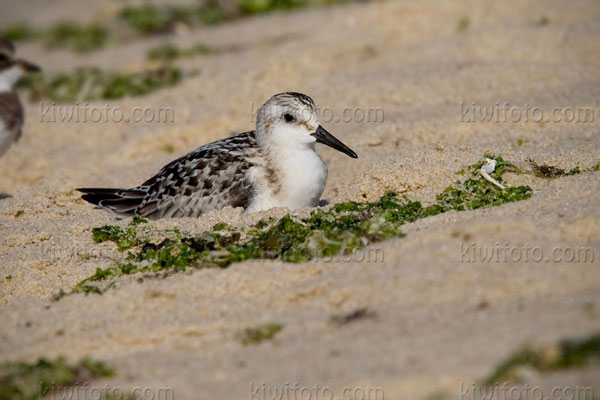
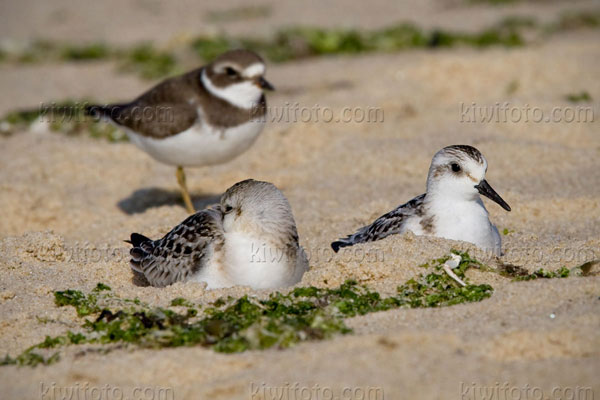
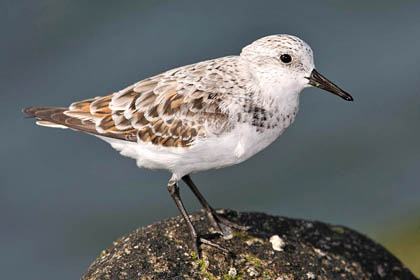
The winter bird is very pale, almost white apart from a dark shoulder patch. This is the source of the specific name, alba, which is the Latin for "white". The juvenile bird is spangled black and white, and shows much more contrast than the adult.
Sanderling behavior is distinctive, but visually, if the size is misjudged, a breeding plumage sanderling can be mistaken for some varieties of stint, or a winter plumage sanderling can be mistaken for a Dunlin or Red Knot. It can be told from other small wading birds, given good views, by its lack of a hind toe.
The Sanderling is one of the species to which the Agreement on the Conservation of African-Eurasian Migratory Waterbirds (AEWA) applies.
|
|