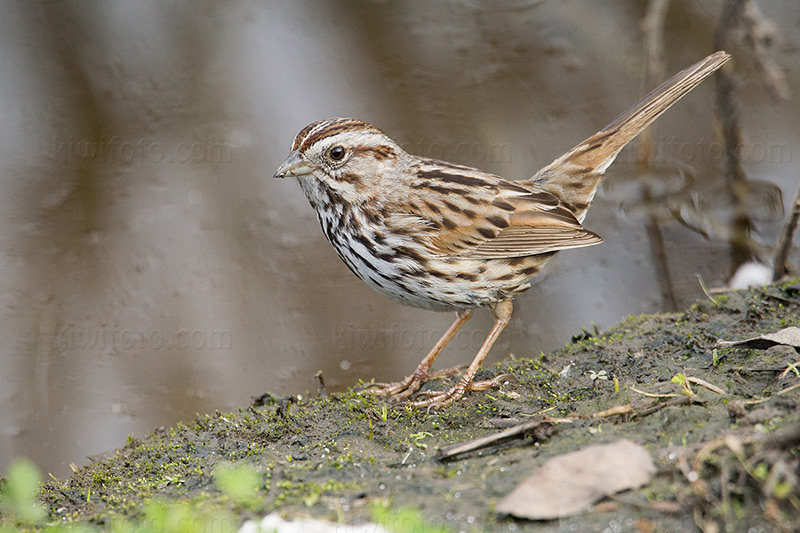
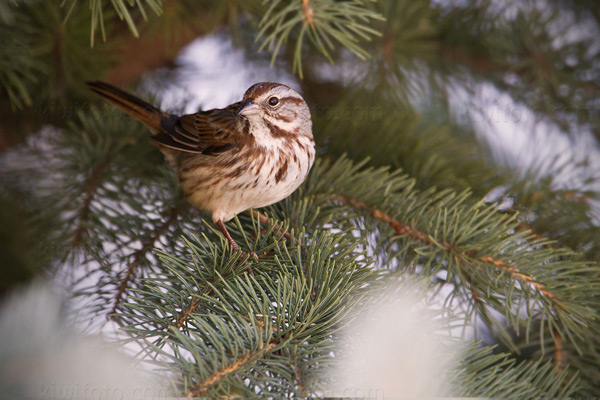
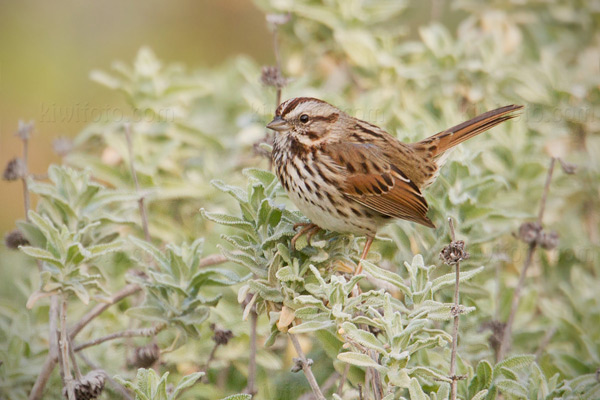
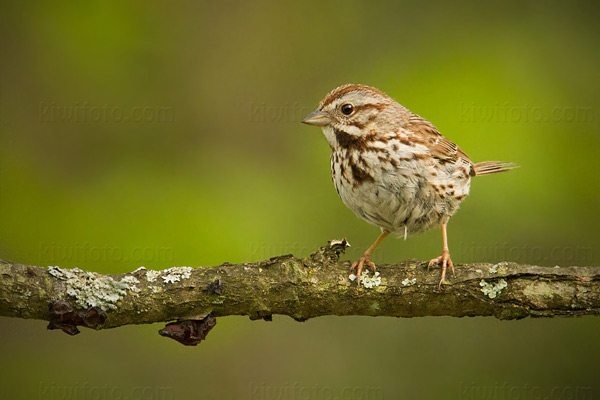
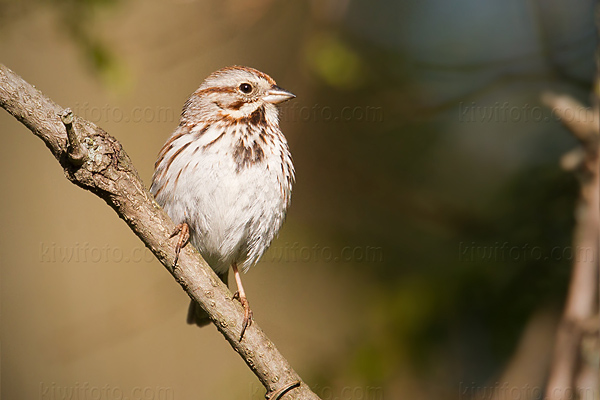
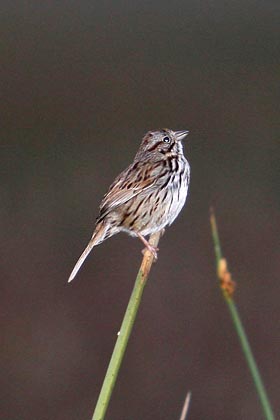
GALLERIES > BIRDS > PASSERIFORMES > EMBERIZIDAE > SONG SPARROW [Melospiza melodia] [plot on map]
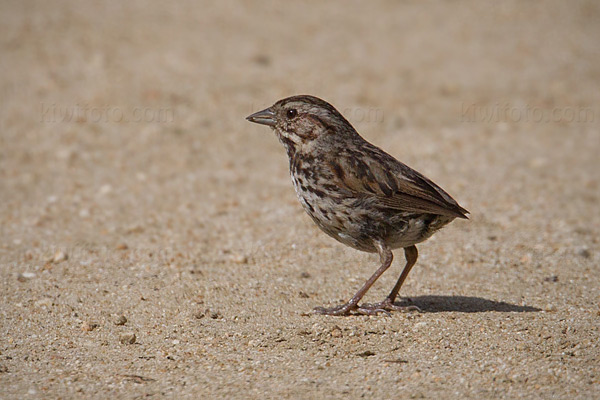
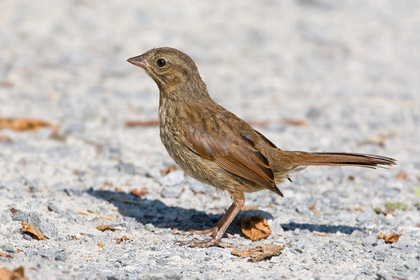
Location: Lompoc (Ocean Beach County Park), CAGPS: 34.7N, -120.6W, elev=13' MAP Date: January 28, 2023 ID : B13K2362 [4896 x 3264]
|
|

|
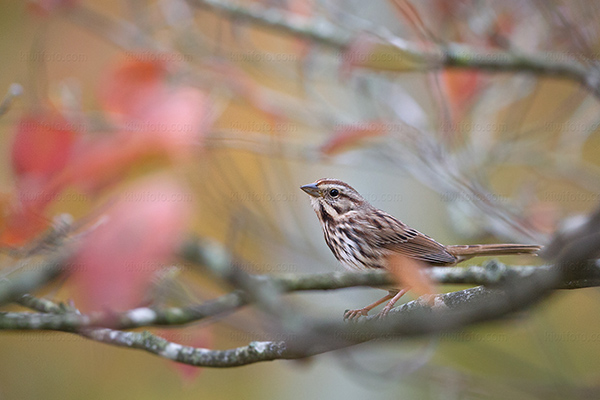
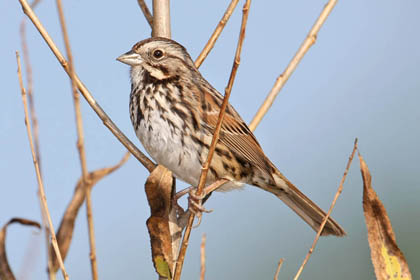
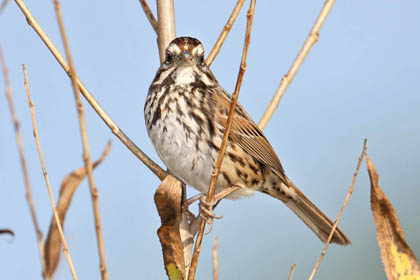
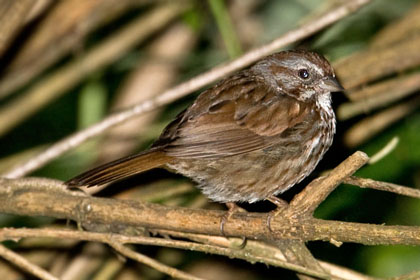
Location: Asheville, NCGPS: 35.6N, -82.6W, elev=2,224' MAP Date: October 27, 2020 ID : B13K0266 [4896 x 3264]
|
|
|
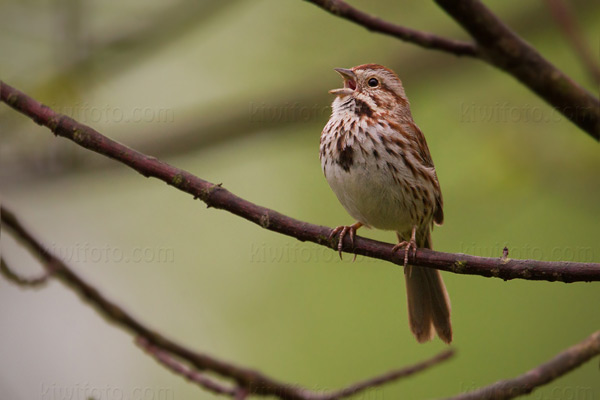
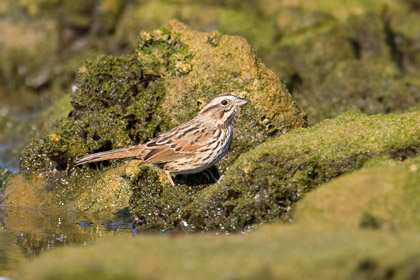
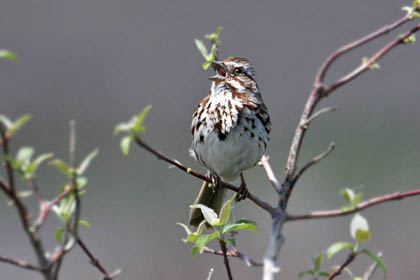
Location: Chagrin River Park, OHGPS: 41.7N, -81.4W, elev=594' MAP Date: May 9, 2013 ID : B13K2999 [4896 x 3264]
|
|
|
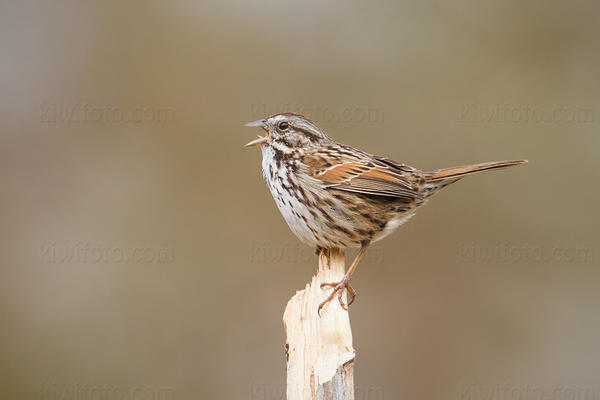
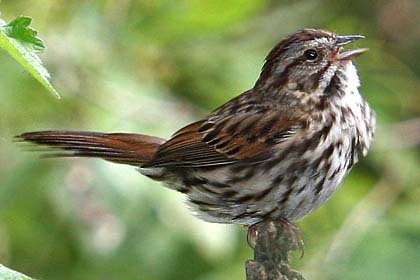
Location: UCR Botanical Gardens, Riverside, CAGPS: 34.0N, -117.3W, elev=1,223' MAP Date: March 5, 2016 ID : B13K1093 [4896 x 3264]
|
|
|
Location: Aspen, COGPS: 39.2N, -106.8W, elev=11,214' MAP Date: November 28, 2011 ID : B13K0417 [4896 x 3264]
|
|
|
Location: Santa Barbara, CAGPS: 34.4N, -119.7W, elev=35' MAP Date: January 5, 2013 ID : B13K1557 [4896 x 3264]
|
|
|
Location: Holden Arboretum, Kirtland, OHGPS: 41.6N, -81.3W, elev=943' MAP Date: May 8, 2012 ID : B13K7005 [4896 x 3264]
|
|
|
Location: Chagrin River Park, OHGPS: 41.7N, -81.4W, elev=594' MAP Date: May 9, 2017 ID : B13K4611 [4896 x 3264]
|
|
|
Location: San Joaquin Marsh, CAGPS: 33.7N, -117.8W, elev=20' MAP Date: July 15, 2012 ID : B13K0124 [4896 x 3264]
|
|
|
Location: Pico Rivera, CAGPS: 34.0N, -118.1W, elev=163' MAP Date: March 2, 2008 ID : 5009 [3888 x 2592]
|
Location: Pico Rivera, CAGPS: 34.0N, -118.1W, elev=163' MAP Date: March 2, 2008 ID : 5007 [3888 x 2592]
|
|
Location: Playa del Rey (Ballona Creek), CAGPS: 34.0N, -118.4W, elev=0' MAP Date: August 20, 2008 ID : 7C2V7273 [3888 x 2592]
|
Location: Reifel Refuge, Surrey, B.C., CanadaGPS: 49.1N, -123.2W, elev=4' MAP Date: August 30, 2008 ID : 7C2V8056 [3888 x 2592]
|
|
Location: Sherwood, ORGPS: 45.4N, -122.9W, elev=534' MAP Date: July 7, 2008 ID : 7C2V4655 [3888 x 2592]
|
Location: Magee Marsh (Crane Creek), OHGPS: 41.6N, -83.2W, elev=573' MAP Date: May 3, 2008 ID : 1219 [3888 x 2592]
|
|
Location: Carmel, CAGPS: 36.6N, -121.9W, elev=226' MAP Date: May 26, 2007 ID : ? [3888 x 2592]
|
Location: Carmel, CAGPS: 36.6N, -121.9W, elev=226' MAP Date: May 26, 2007 ID : ? [3888 x 2592]
|
|
SPECIES INFO
The Song Sparrow, Melospiza melodia, is a medium-sized American sparrow.
Adults have brown upperparts with dark streaks on the back and are white underneath with dark streaking and a dark brown spot in the middle of the breast. They have a brown cap and a long brown rounded tail. Their face is grey with a streak through the eye. For subspecies, see below.
In the field, they are most easily confused with its congener the Lincoln's Sparrow, and the Savannah Sparrow. The former can be recognized by its shorter, greyer tail and the differently-patterned head, the brown cheeks forming a clear-cut angular patch. The Savannah Sparrow has a forked tail and yellowish flecks on the face when seen up close.
Their favorite habitat is brushy areas and marshes, including salt marshes, across most of Canada and the United States. In southern locations, they are permanent residents. Northern birds migrate to the southern United States or Mexico, where there is also a local population resident all year round. The Song Sparrow is a very rare vagrant to western Europe, with a few recorded in Great Britain and Norway.
These birds forage on the ground, in shrubs or in very shallow water. They mainly eat insects and seeds. Birds in salt marshes may also eat small crustaceans. They nest either in a sheltered location on the ground or in trees or shrubs.
The male of this species uses its melodious and fairly complex song to declare ownership of its territory and to attract females.
The song sparrow's song consists of a combination of repeated notes, quickly passing isolated notes, and trills. The songs are very crisp, clear, and precise, making them easily distinguishable by human ears. A particular song is determined not only by pitch and rhythm but also by the timbre of the trills. Although one bird will know many songs - as many as 20 different tunes with as many as 1,000 improvised variations on the basic theme[citation needed] -, unlike thrushes, the song sparrow usually repeats the same song many times before switching to a different song.
Song sparrows typically learn their songs from a handful of other birds that have neighboring territories. They are most likely to learn songs that are shared in common between these neighbors. Ultimately, they will choose a territory close to or replacing the birds that they have learned from. This allows the song sparrows to address their neighbors with songs shared in common with those neighbors. It has been demonstrated that song sparrows are able to distinguish neighbors from strangers on the basis of song, and also that females are able to distinguish (and prefer) their mate's songs from those of other neighboring birds, and they prefer songs of neighboring birds to those of strangers.
Other birds such as mockingbirds are not able to effectively imitate the song sparrow's song.
|
|